Overview
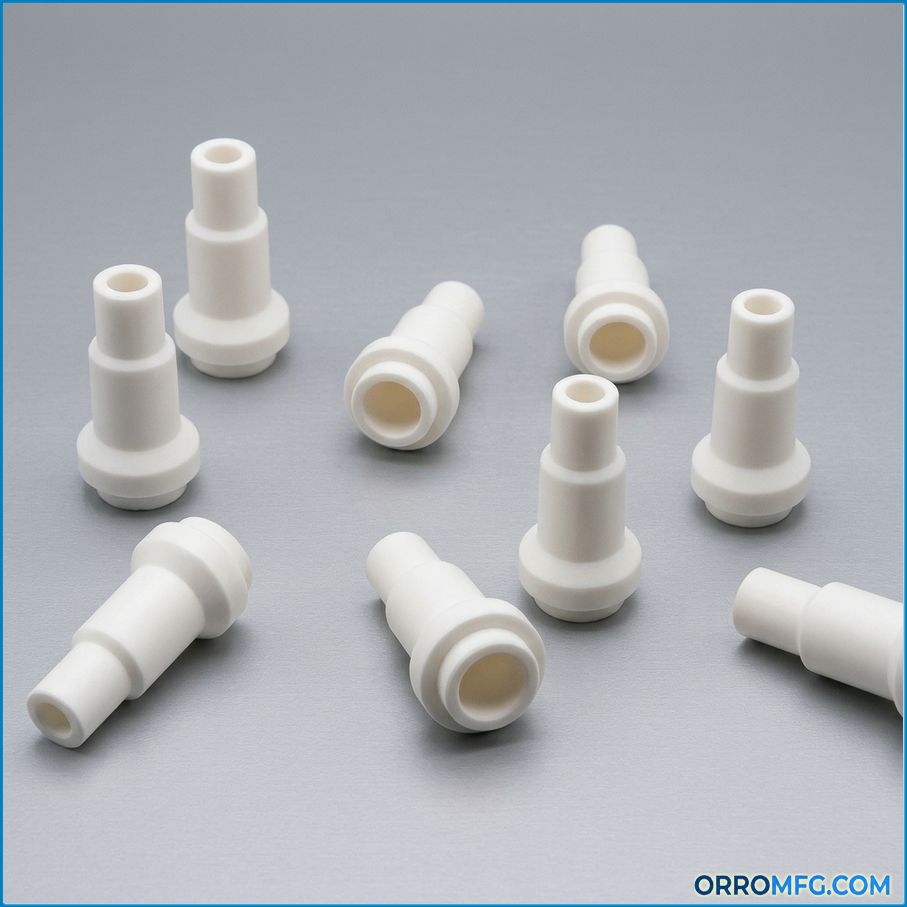
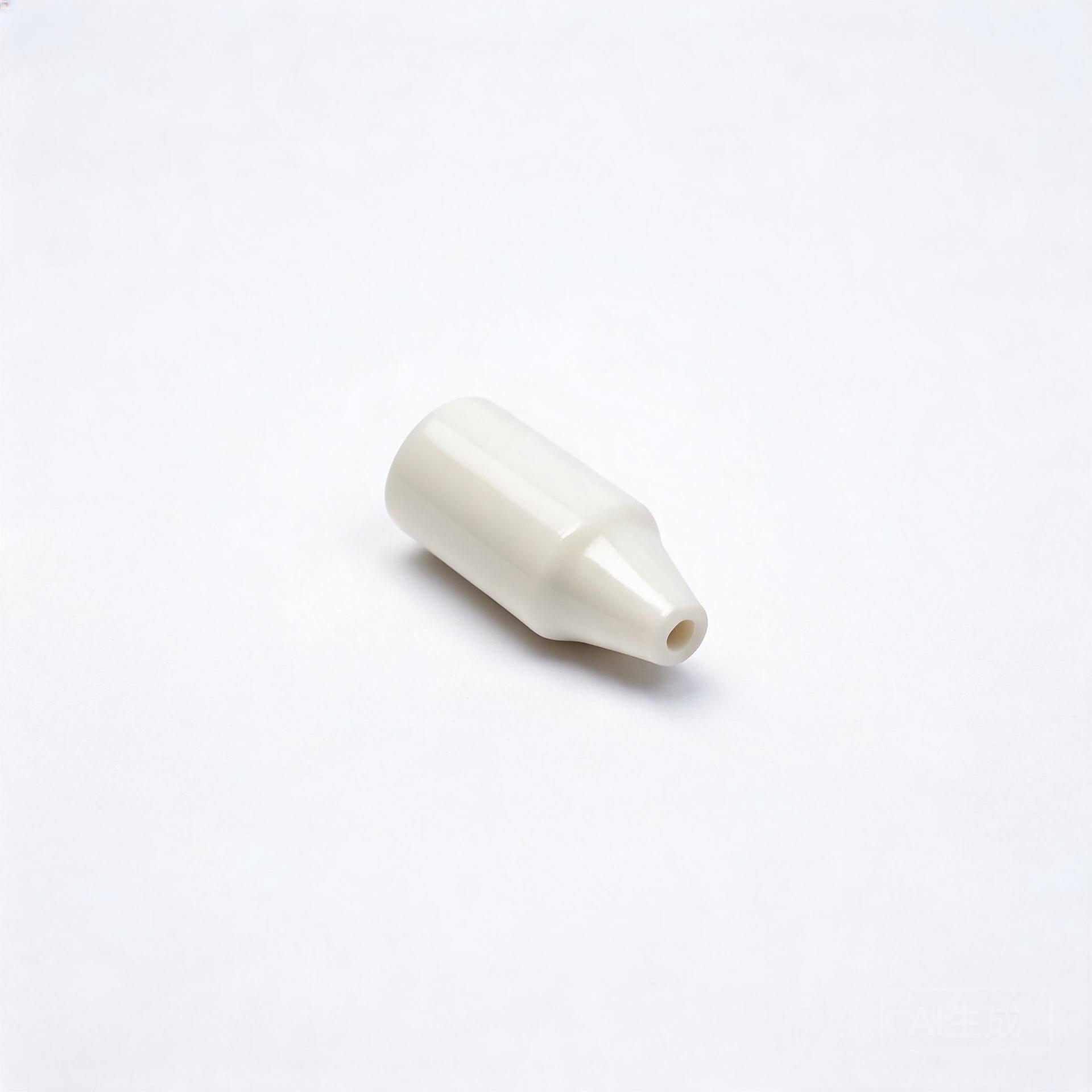
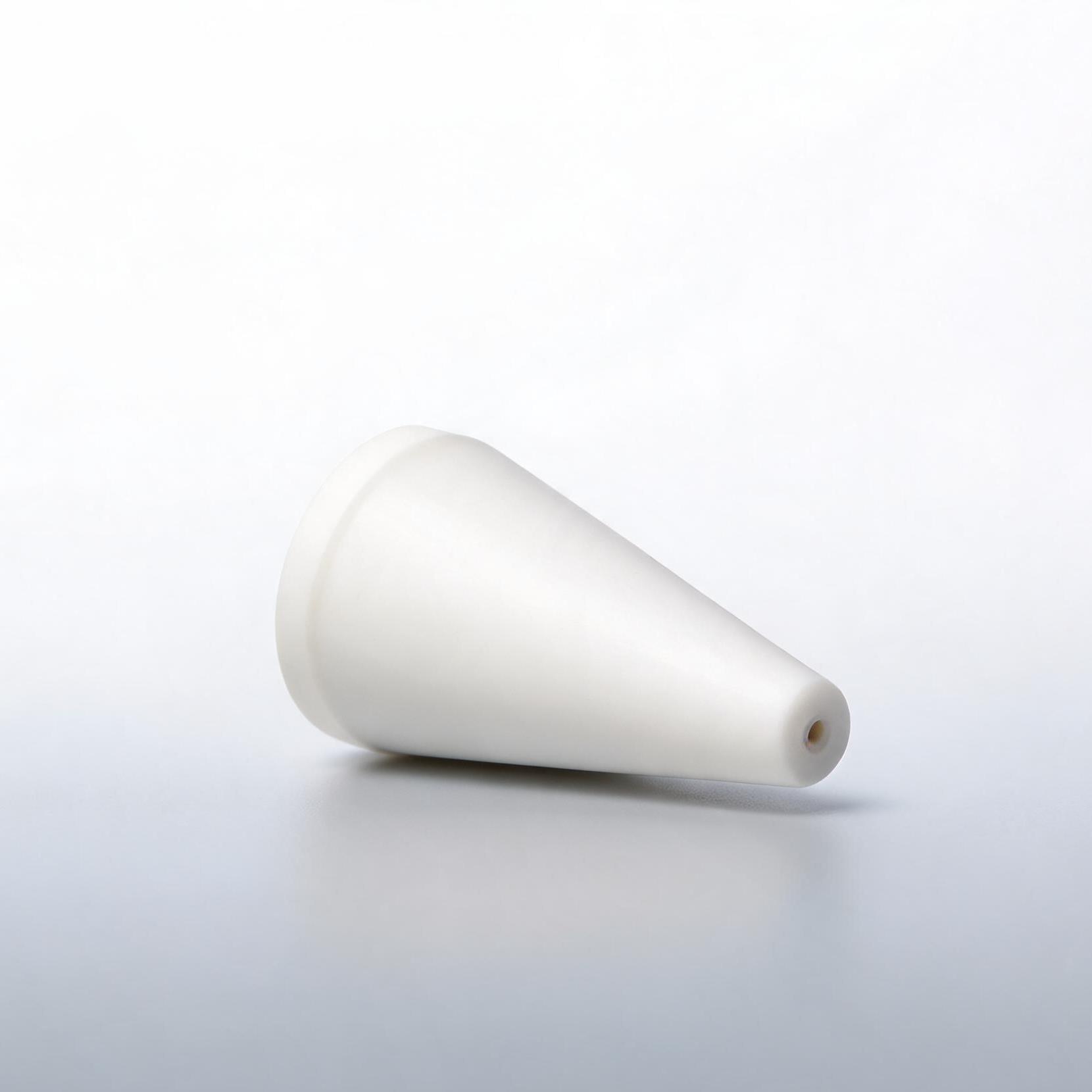
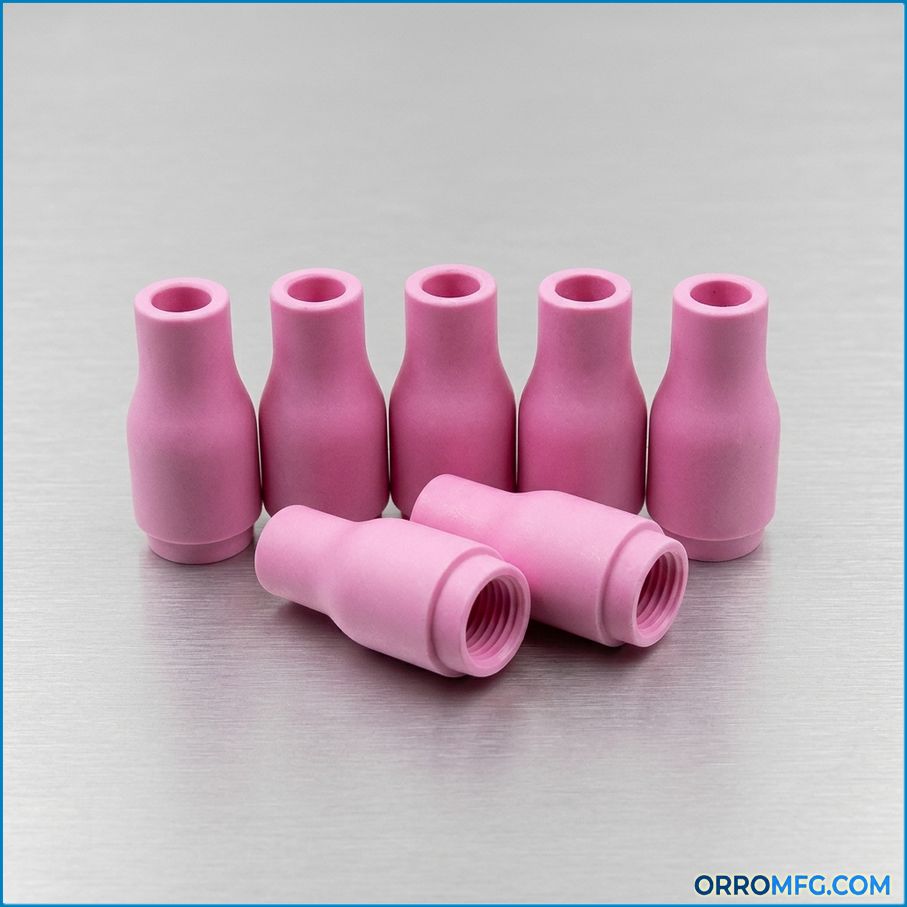
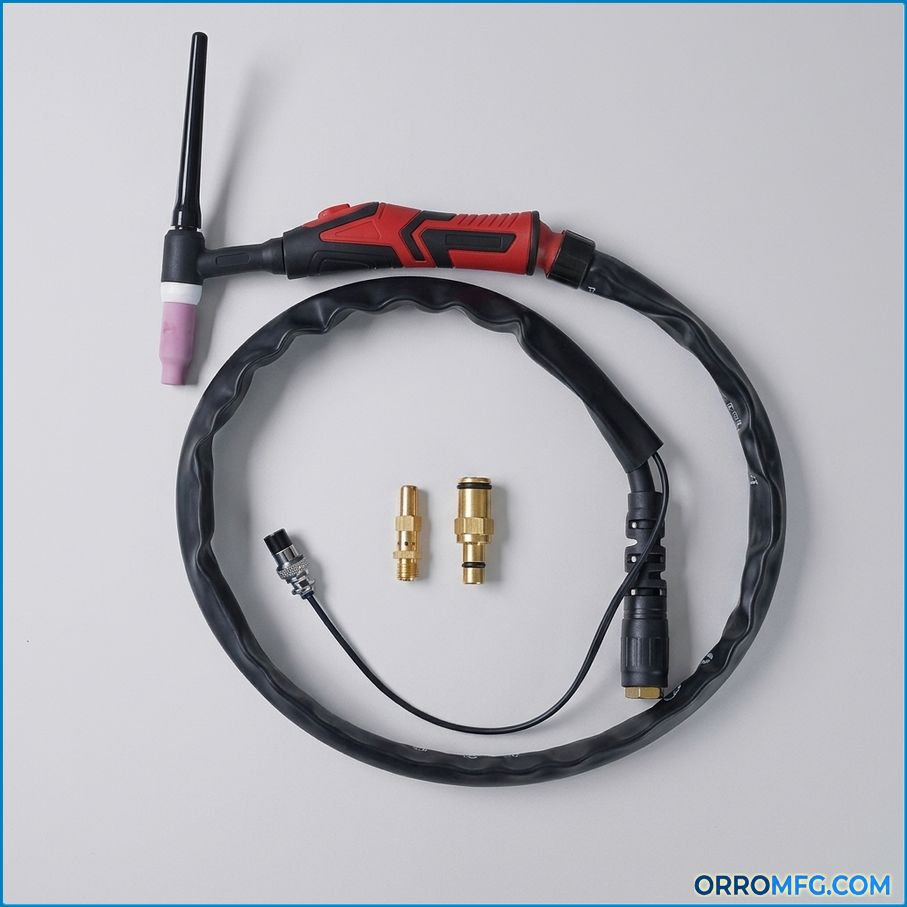
A TIG welding cup is the alumina shield that sits on the end of the torch, around the tungsten, and holds the argon where the arc is. It is a consumable: it cracks from spatter, from thermal shock and from being overtightened, and it is replaced long before the torch is.
The cup does three jobs at once. It keeps the shielding gas around the pool instead of letting it blow away, it insulates the tungsten and the collet body from the workpiece, and it absorbs the spatter that would otherwise build up on the torch head. Alumina is used because it is an electrical insulator that survives being a few millimetres from an arc, and because molten metal does not wet it the way it wets a metal cup.
Cup Sizes
The cup number is the bore expressed in sixteenths of an inch: a #6 cup has a 6/16" (9.5 mm) bore. The outside diameter and length are set by the torch series and the cup type, not by the number alone.
| Cup size | Nominal bore | Typical use |
|---|---|---|
| #4 | 6.4 mm (1/4") | Tight joints, thin sheet, restricted access |
| #5 | 7.9 mm (5/16") | Thin to medium sheet |
| #6 | 9.5 mm (3/8") | The default in most welding shops |
| #7 | 11.1 mm (7/16") | Stainless and thicker sections |
| #8 | 12.7 mm (1/2") | Titanium and other gas-sensitive alloys |
| #10 | 15.9 mm (5/8") | Large gas lens setups |
| #12 | 19.0 mm (3/4") | Heavy sections and wide shielding |
| #14 | 22.2 mm (7/8") | Jumbo cups for large torches |
| #16 | 25.4 mm (1") | Jumbo cups |
| #24 | 38.1 mm (1-1/2") | Jumbo cups, widest shielding |
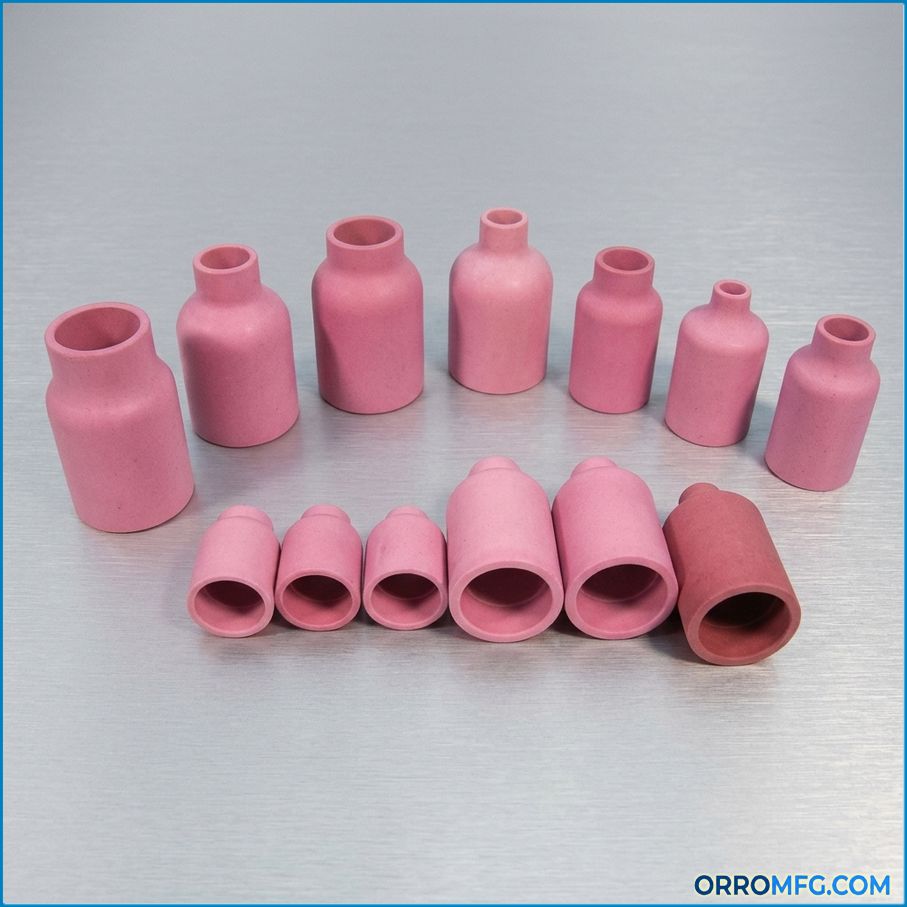
Cups from #14 up are sold as jumbo or large cups. They are not a scaled-up version of a standard cup: the cup body and the gas lens behind it are both larger, and a jumbo cup will not fit a torch that takes standard cups.
Jumbo Cup Dimensions
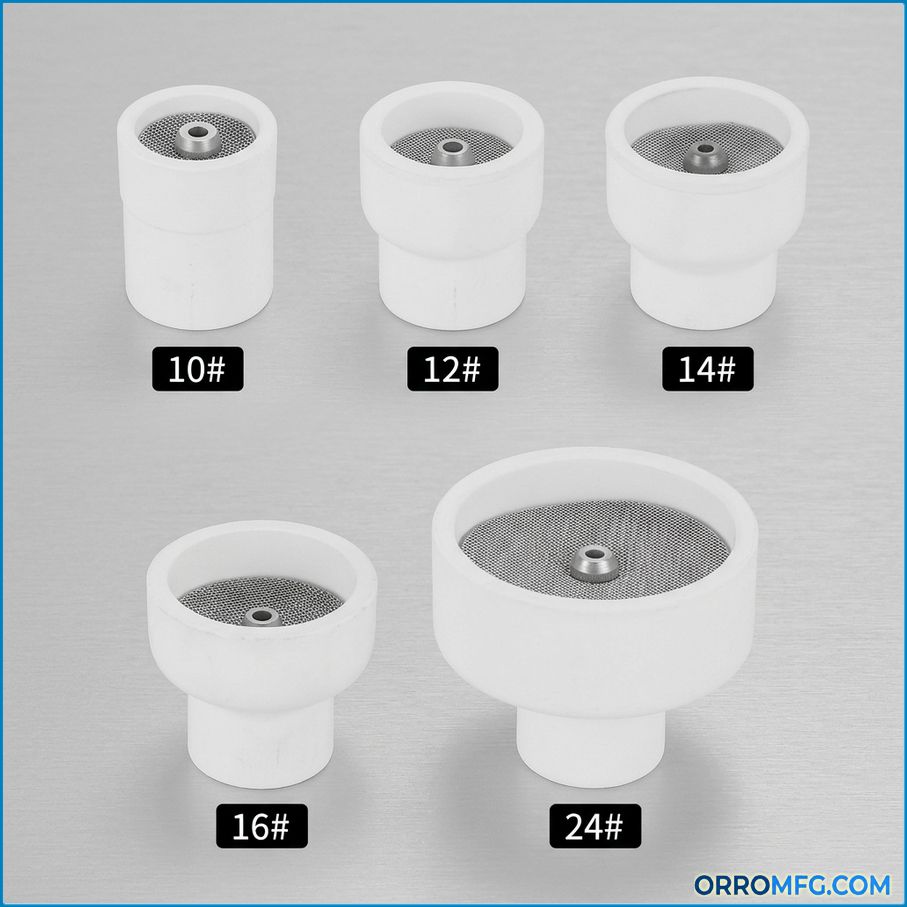
| Cup size | Top OD | Cup mouth ID | Height | Base Ø |
|---|---|---|---|---|
| #10 | 22 mm | 16.8 mm | 25.5 mm | 20 mm |
| #12 | 25 mm | 19 mm | 26 mm | 20 mm |
| #14 | 28 mm | 22 mm | 26 mm | 20 mm |
| #16 | 32 mm | 25 mm | 29 mm | 20 mm |
| #24 | 42 mm | 36 mm | 37 mm | 18 mm |
These are measured on finished cups, and the number on the cup is a nominal size rather than an exact bore — which is why a #12 measures 19 mm at the mouth and not 19.05 mm. There is no #20 in the range; the sizes go #16 then #24. The base diameter is the thread blank, not the thread callout: send the torch model and the thread is matched to it rather than quoted blind.
A larger cup covers more of the pool with gas, but it needs more flow, it disturbs the flow pattern if the gas is set wrong, and it blocks the view of the joint. Most work is done with a #5 to #7. The step up to #8 and above is usually about the material rather than the thickness: titanium, and stainless that has to stay clean, need the wider shield.
Cup Part Numbers and Dimensions
The gas lens cups most machines are fitted with follow a common numbering, and the part number is what a customer usually has rather than the size:
| Part number | Cup size | Bore | Base Ø | Height |
|---|---|---|---|---|
| 53N58 | #4 | 6.5 mm | 15 mm | 25.5 mm |
| 53N59 | #5 | 8.0 mm | 15 mm | 25.5 mm |
| 53N60 | #6 | 9.5 mm | 15 mm | 25.5 mm |
| 53N61 | #7 | 11.0 mm | 15 mm | 25.5 mm |
| 53N61S | #8 | 12.5 mm | 15 mm | 25.5 mm |
The same five cups are also made in an extra-long body, 48 mm overall instead of 25.5 mm:
| Part number | Cup size | Bore | Length |
|---|---|---|---|
| 53N59XL | #5 | 8.0 mm | 48 mm |
| 53N60XL | #6 | 9.5 mm | 48 mm |
| 53N61XL | #7 | 11.0 mm | 48 mm |
| 53N61SXL | #8 | 12.5 mm | 48 mm |
Dimensions are as measured on finished parts, so they sit a few tenths either side of the nominal inch size — a #8 is called 1/2" and measures 12.5 mm. If your drawing or your existing stock is to a different position on the tolerance, say which number you are working from.
Cup Types
| Type | What differs | Where it is used |
|---|---|---|
| Standard cup | Short body, screws directly onto the torch | General fabrication, the cheapest option |
| Gas lens cup | Straight bore that fits over a gas lens collet body | Stainless, titanium, and anywhere the tungsten has to be extended |
| Stubby cup | Shorter body, same thread | Corners, inside fillets, confined joints |
| Long / extra-long | Extended body | Recessed joints and tubes, at the cost of visibility |
| Large diameter | Wider shield with a bigger bore | Wide beads and gas-sensitive alloys |
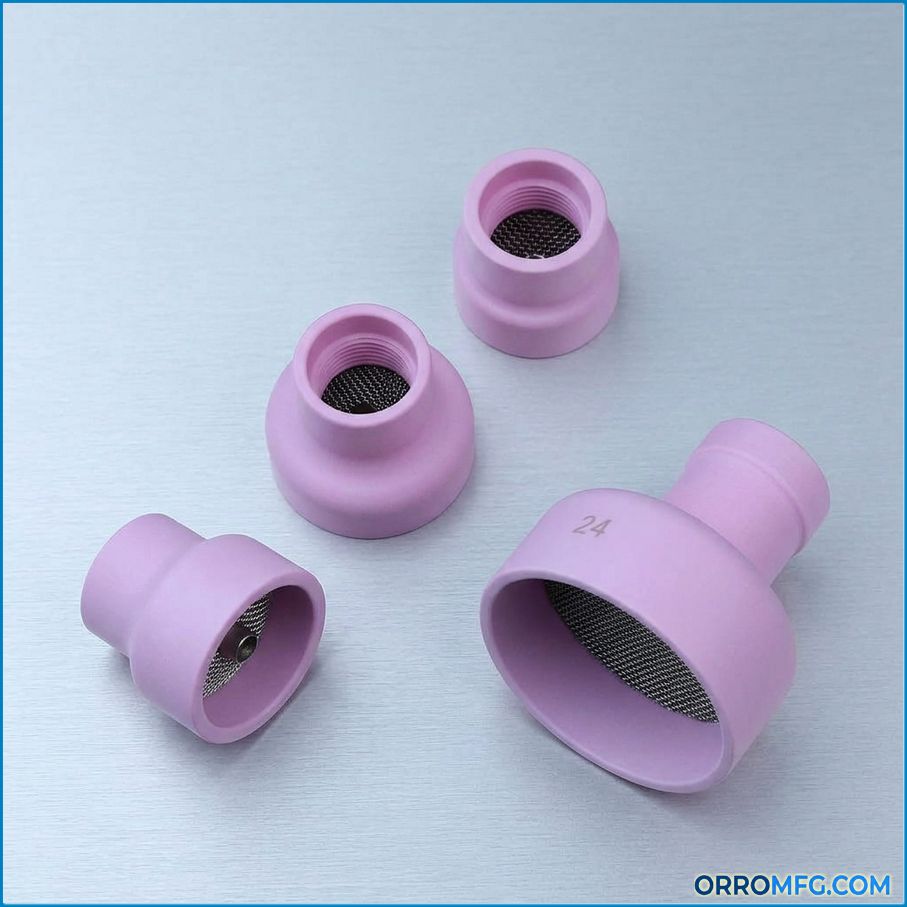
A gas lens cup is not a standard cup with a different label. The inside is a straight bore that slips over the lens body, and the gas passages are in the lens, not the cup. Fitting a standard cup to a gas lens body, or the reverse, gives a poor shield and is one of the common reasons a weld that should have been clean comes out grey.
Which Torch Takes Which Cup
Cups are sold by torch series, and the series is what sets the thread and the body length:
- 9, 20 and 25 series — small torches, low amperage, flexible leads. The 25 is a small-body torch and takes the same cups as the 9 and the 20; catalogues list the three together as WP9/20/25.
- 17, 18 and 26 series — the standard air-cooled and water-cooled torches
- 24 series — large water-cooled torches
A #6 is not one part. The 53N cups above thread onto the gas lens bodies for the 9, 20 and 25 series directly, and onto the 17, 18 and 26 series with a compact gas lens behind them; a plain 10N cup for a 17 series will not fit a 9 series, and the reverse. Rather than publish thread dimensions that vary between torch makers, we match from the torch model or from the cup being replaced: send the model number, or send one used cup, and the thread, length and bore are confirmed against it.
How We Supply Them
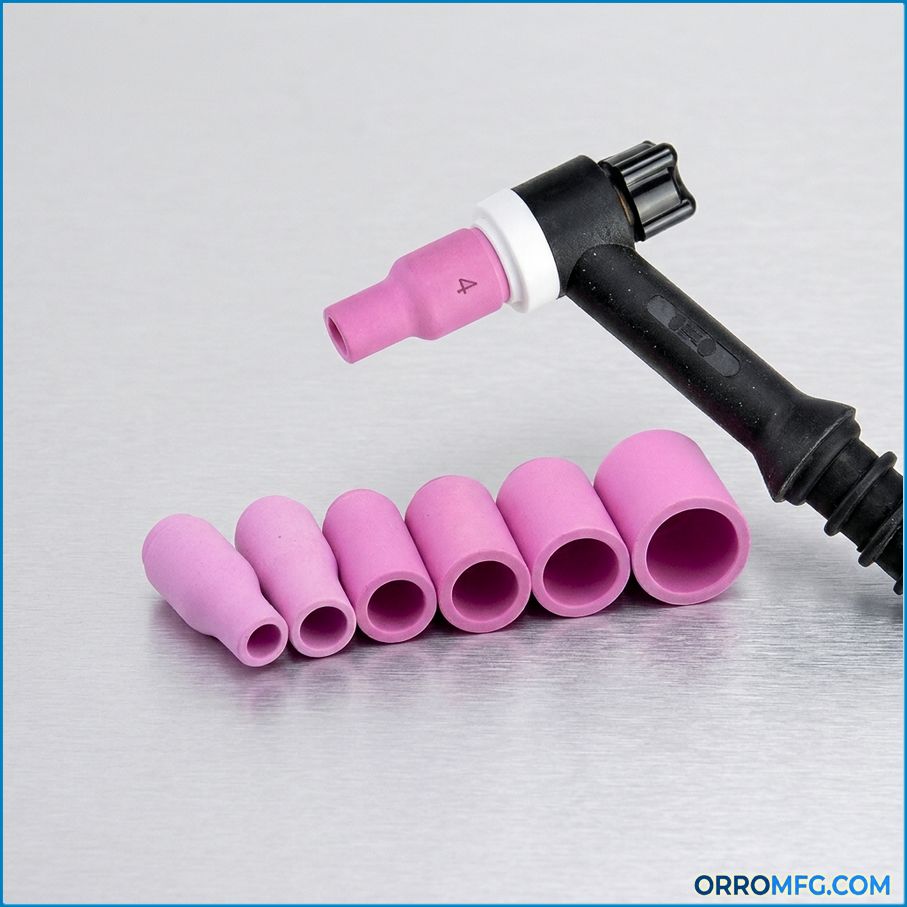
Cups reach us two ways, and both are quoted:
- Pressed and sintered to near-net shape, where the size and thread are standard. This is the cheaper route at volume, and the tooling is the supplier’s, not yours.
- Ground from a sintered blank, where the thread, cup length, wall thickness or bore is outside the standard range. This is how custom cups and one-off sizes are made, and it is why a non-standard #6 is quoted rather than refused.
Either way the material is 95% or 99% alumina. 95% is the usual grade for welding cups — the cup is not a wear part, and the higher purity buys dielectric strength that a shielding cup does not need. 99% is supplied where the customer’s own specification calls for it.
Custom logos, printed packaging and mixed-size packs are all possible; they carry a higher minimum than plain bulk because of the printing setup.
How Cups Fail
Almost no cup is replaced because it wore out. They are replaced because:
Spatter sticks and then cools. A blob of spatter on the cup holds heat differently from the alumina around it, and the differential cracks the cup on the next pass. Anti-spatter compound on the outside of the cup delays this; nothing prevents it.
The cup is overtightened. Alumina is strong in compression and weak in tension. Tightening a cup hard onto the torch body puts a hoop stress into the thread that it was not designed for, and the crack appears there, not at the rim.
The cup is quenched or knocked. A hot cup dropped in a water tray, or tapped against the workpiece to knock off spatter, cracks from thermal shock. Let it cool, and knock spatter off with a wire brush away from the torch.
Metal fume builds up on the inside. Deposits from the filler and the base metal form a conductive path across the cup face. Once that path exists the arc can jump to the cup instead of the work, which shows up as a wandering arc and a blackened cup. A cup in that condition is scrap — cleaning it back to bare alumina rarely works for long.
Ordering
To quote, we need:
- The torch series or model, or one cup to copy
- Cup size and type — standard, gas lens, stubby or long
- Alumina grade, if your specification names one
- Whether the thread and body dimensions must match an existing part exactly, or can follow the standard
- Packaging: bulk, or printed with your part number
MOQ is 100 pcs per size. Standard sizes ship in 15–20 working days; custom threads or lengths take 20–25 working days after drawing approval. Samples are 7–10 working days.
Related Products
- Ceramic nozzles — blasting, spray and waterjet nozzles in the same alumina grades
- Zirconia ceramic nozzles — where toughness matters more than hardness
- Ceramic materials — grades, properties and machining limits
FAQ
What size TIG cup should I use?
Start at #6 for most work on steel and stainless up to about 3 mm. Go smaller — #4 or #5 — when the joint is tight and you cannot hold the torch at the right angle. Go larger — #8 and up — for titanium, for stainless where colour matters, and for wide beads. The cup has to be big enough to cover the pool plus a margin, and small enough that you can still see the joint.
Will a #6 cup fit my torch?
Only if it is the right #6. The number sets the bore, and the torch series sets the thread and body length, so a #6 for a 9 series torch will not fit a 17 series torch. Send the torch model or a used cup and we match it.
What is the difference between a standard cup and a gas lens cup?
A standard cup screws onto the torch and the gas comes through the torch body. A gas lens cup fits over a gas lens collet body, which has a stack of screens that straightens the flow; the inside of the cup is a straight bore to suit it. Gas lens setups give a longer, more stable shield and let the tungsten stick out further, which is why they are used on stainless and titanium.
Alumina or clear quartz cup?
Quartz gives visibility of the puddle and is useful in tight positions, but it cracks from spatter and costs several times as much. Alumina is opaque and lasts longer. Most shops run alumina and keep a couple of quartz cups for awkward joints.
Why did my cup crack at the thread?
Almost always overtightening. Alumina is strong in compression and weak in tension, and a cup tightened hard onto the torch body is loaded in tension at the thread. Hand-tight is enough; the O-ring or the taper does the sealing, not the torque.
Can you supply cups with our logo or in our packaging?
Yes. Printing and packaging carry a minimum of 1,000 pcs because of the setup, against 100 pcs for plain bulk cups.