Overview
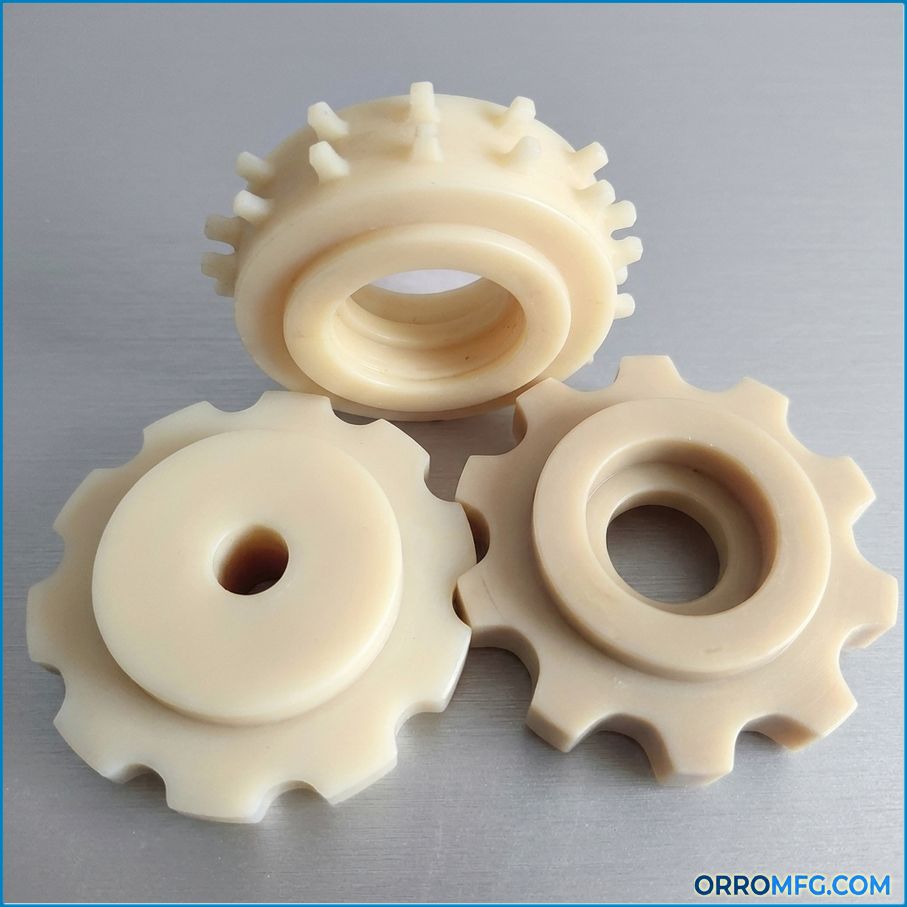
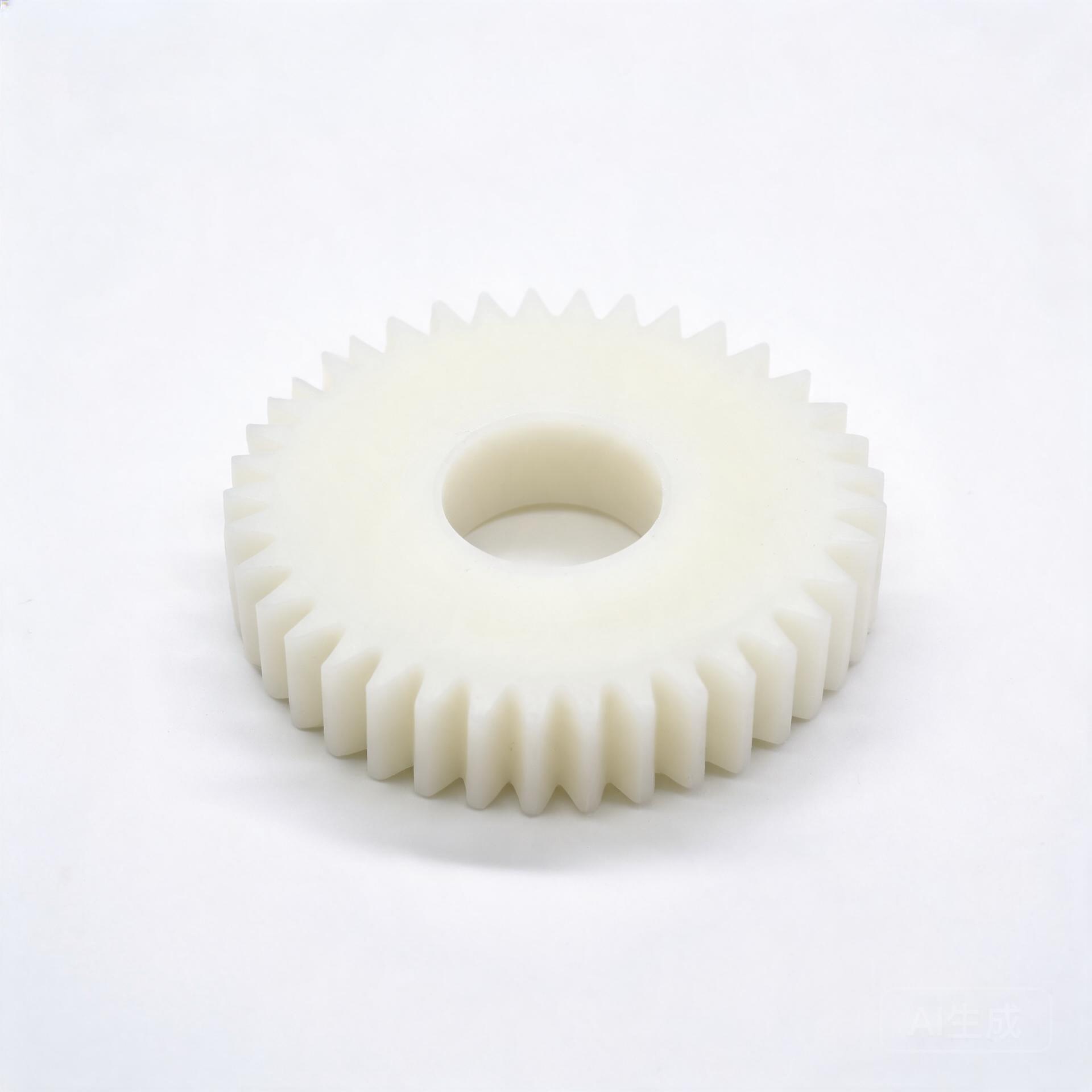
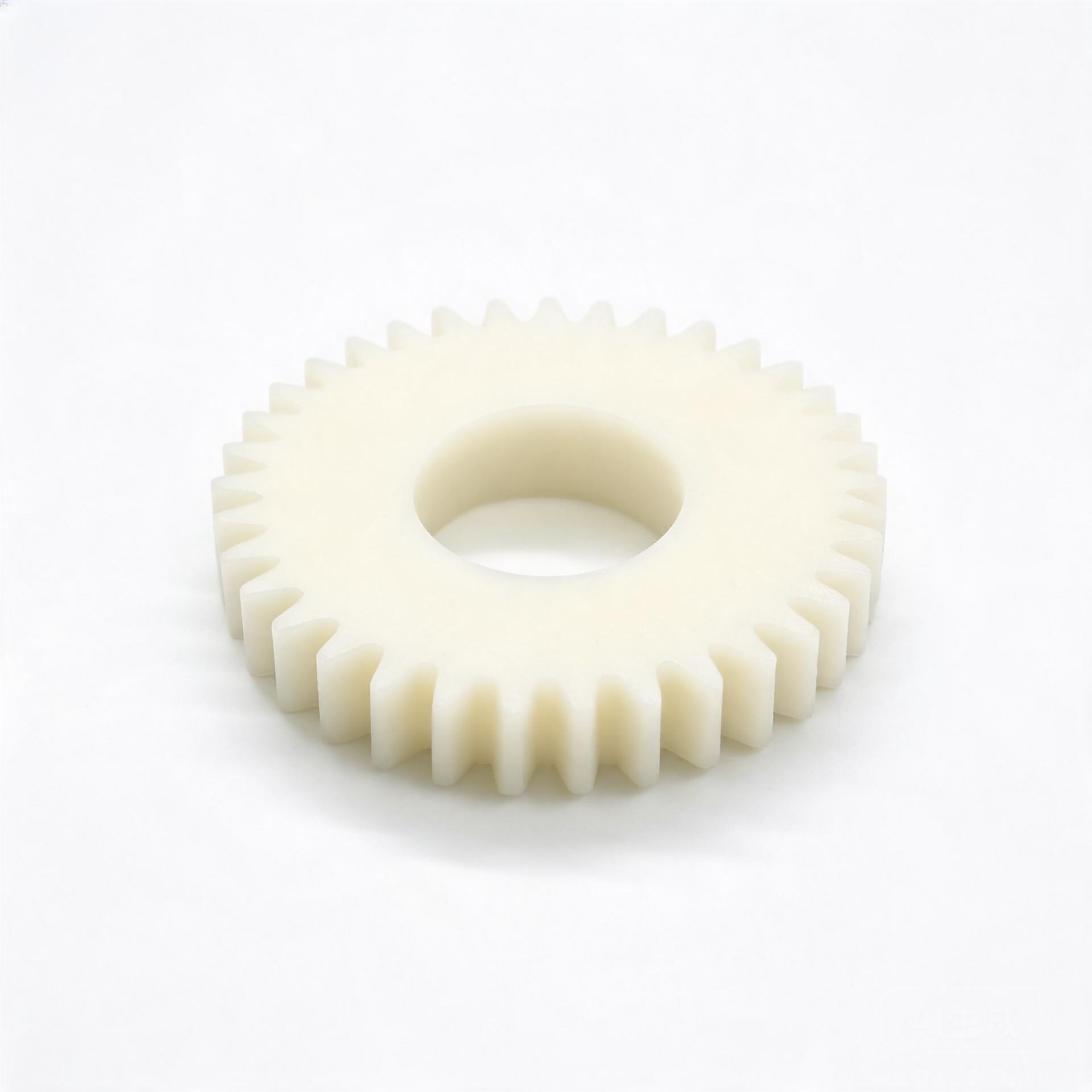
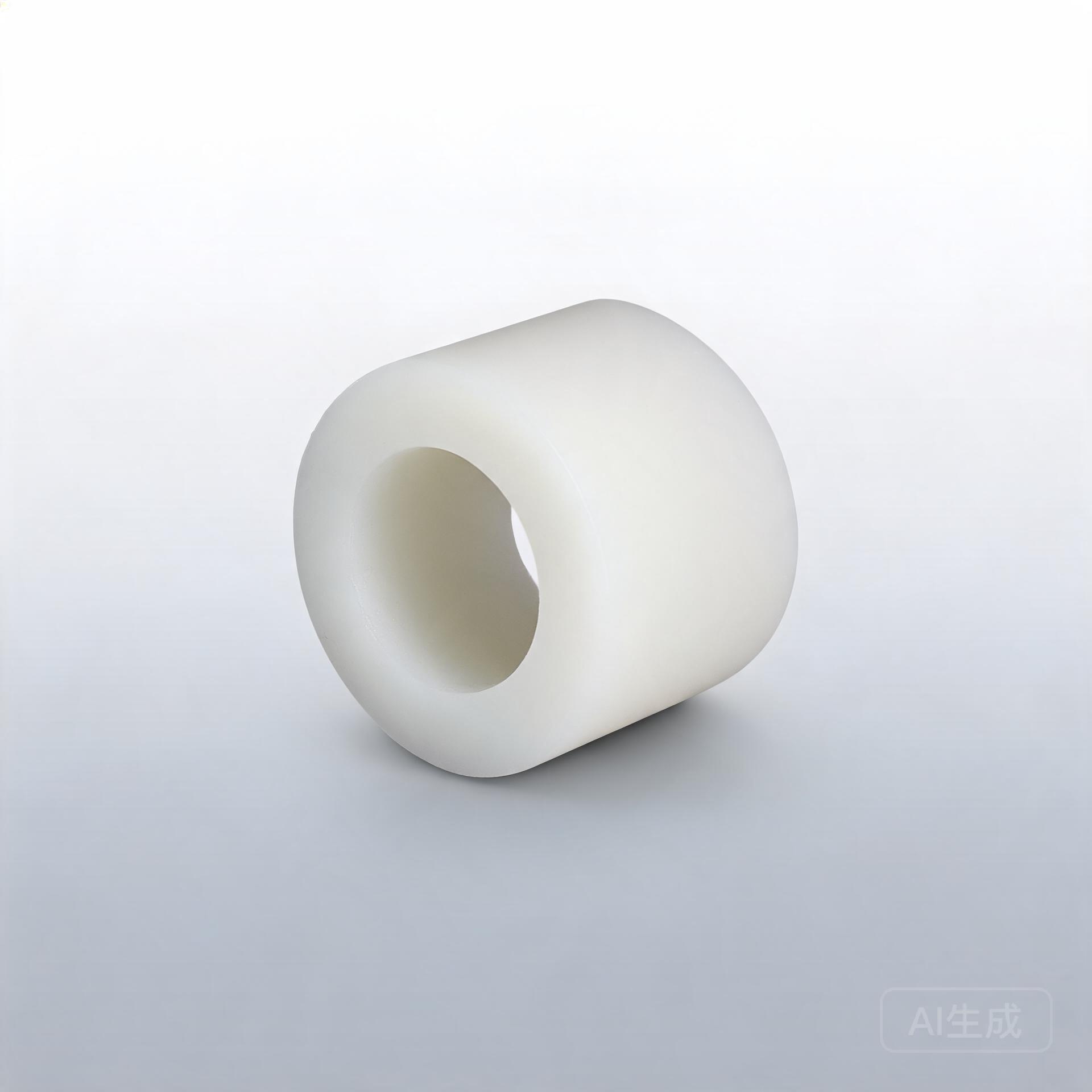
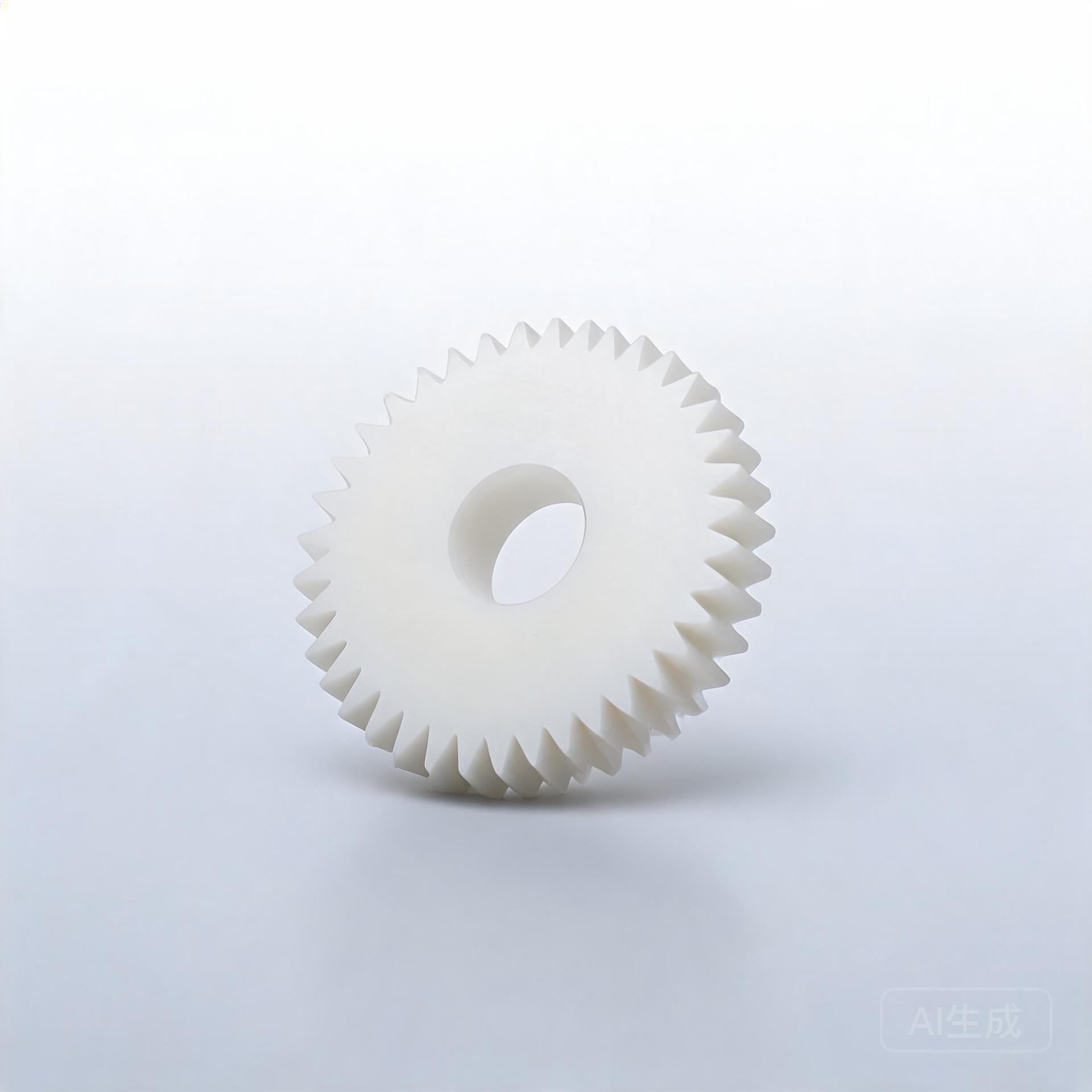
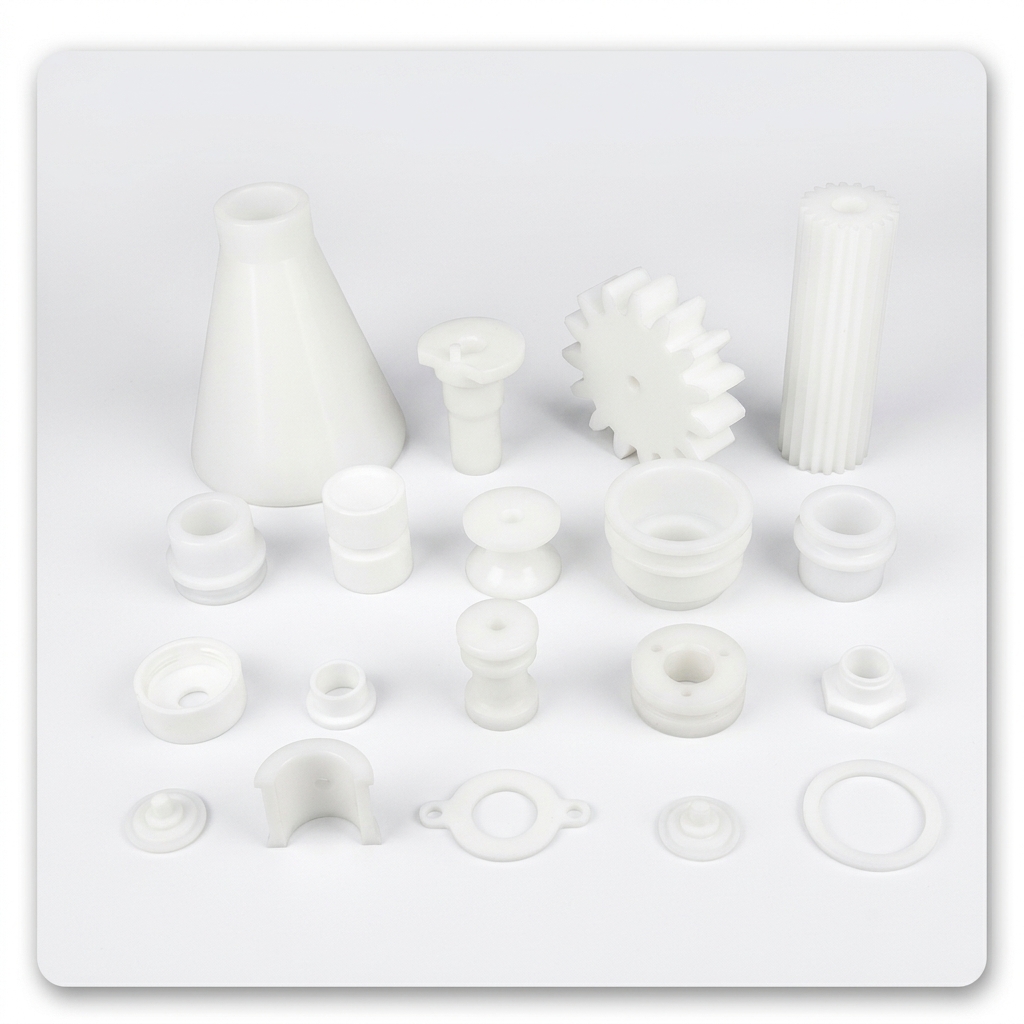
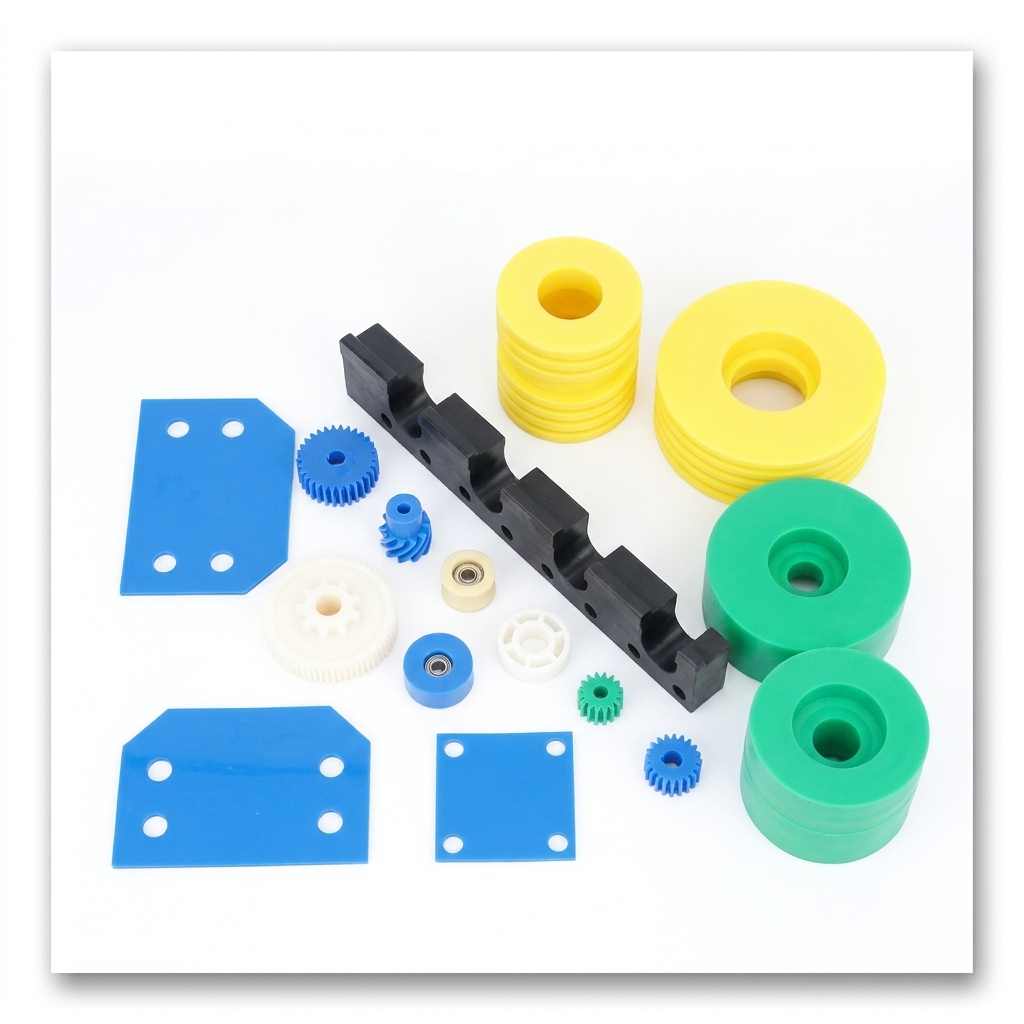
POM CNC machined parts are custom components cut, turned and milled from polyoxymethylene (POM) — also called acetal, or Delrin by trade name — directly to your drawing. Where standard POM sheet and rod stop at a blank, machining turns that blank into the finished part: a gear, a bushing, a cam, a guide block, a spacer, a housing insert, or a one-off spare that keeps a production line running.
POM is a high-crystallinity, linear engineering polymer with an unusual combination of properties for a plastic: high stiffness and hardness, low friction against steel, excellent fatigue life, near-zero moisture absorption, and strong resistance to solvents, fuels and oils. It machines cleanly like brass — sharp chips, crisp edges, no gummy finish — which is why it holds ±0.01 mm tolerances far more easily than nylon or PE. In many assemblies POM replaces bronze, zinc, tin or lead parts, removing weight and lubrication at the same time.
ORRO machines POM parts on CNC turning centres, milling centres, EDM and wire-cut machines, and finishes them in-house. You can send a 2D drawing, a 3D model, or a sample; we return a quote with material recommendation, tolerance review and lead time.
Key Features
- High mechanical strength and rigidity — POM keeps its shape under load, so thin walls and small cross-sections stay stiff where PP or PE would deflect.
- Excellent wear and sliding behaviour — low friction against steel and other plastics, with good abrasion resistance for guides, cams and sliding shoes.
- Outstanding fatigue and creep resistance — repeated cycling and long-term static loads cause far less deformation than with commodity plastics.
- Dimensional stability — moisture absorption is around 0.2 %, so parts machined today still fit tomorrow in humid or wet plants.
- High impact strength, even at low temperature — no brittle transition in ordinary industrial service.
- Good electrical insulation — suitable for insulating washers, spacers and terminal blocks (anti-static and conductive grades available for electronics handling).
- Chemical and solvent resistance — unaffected by fuels, oils, greases and most organic solvents; not recommended for strong acids or chlorine.
- Food-contact and physiological safety — food-grade POM grades available for parts that touch product.
Material Specifications
Typical values for unfilled POM-H at 23 °C. Grade datasheet governs the final design.
| Property | Typical value |
|---|---|
| Density | 1.43 g/cm³ |
| Tensile strength at yield | 60–65 MPa |
| Elongation at break | 25 % |
| Flexural modulus | 1,700 MPa |
| Charpy impact strength (unnotched) | 74 kJ/m² |
| Hardness | Rockwell M84 |
| Melting point | 165 °C |
| Maximum continuous service temperature | 110 °C |
| Maximum short-term service temperature | 150 °C |
| Moisture absorption (24 h) | ≈ 0.2 % |
| Coefficient of friction vs. steel | 0.15–0.35 (dry) |
POM Grades and How They Machine
| Grade | What it is | Why you choose it | What changes on the shop floor |
|---|---|---|---|
| POM-H (homopolymer) | Delrin-type acetal homopolymer | About 10% higher strength and stiffness, better fatigue and creep resistance | Sharper, more brittle chips; slightly narrower melt window; the default for gears, cams and precision parts |
| POM-C (copolymer) | Acetal copolymer | Better resistance to hot water, steam, chlorine and weak alkalis; lower centreline porosity in thick sections | Machines much like POM-H; preferred for plumbing, pool, food-wash and large-diameter rod |
| Glass-filled (GF20 / GF25) | POM with glass fibre | Higher stiffness, lower thermal expansion, better creep under sustained load | Abrasive to tooling, so tool life drops; lower elongation; not for parts that must flex |
| Conductive / anti-static | Carbon or metal filler | Surface resistivity in the 10³–10⁶ Ω range for ESD-sensitive handling | Similar to unfilled; check that the filler does not attack the coolant circuit |
| Food-contact | Certified formulation (FDA / EU 10/2011) | Parts that touch product directly | Same machining; the documentation, not the cut, is what differs |
“Delrin” is a brand of POM-H, and “acetal” covers both the homo- and copolymer. A drawing that names a Delrin grade is specifying homopolymer properties, and that is what we match — send the grade code and we will either hold the equivalent or tell you which property shifts.
Machining Capabilities
| Capability | Scope |
|---|---|
| Turning | Ø 3–300 mm, lengths up to 1,000 mm, threads, grooves, tapers |
| Milling | 3-axis and 4-axis, pockets, slots, keyways, radii, drilled patterns |
| Drilling / tapping | M1.6–M20, deep holes, cross holes |
| EDM & wire cutting | Fine features, sharp internal corners, thin-wall sections |
| Laser cutting | Flat plates and spacers from POM sheet |
| Grinding & polishing | Flatness and surface finish on sealing and sliding faces |
| Assembly | Inserts, bearings, shafts, studs, bonded and press-fit sub-assemblies |
| Surface treatment | Deburring, chamfering, laser marking, custom colour matching |
General tolerance: ±0.01 mm on critical machined features; ±0.05 mm on general dimensions unless otherwise specified. Tolerance capability depends on feature size, wall thickness and geometry — drawings are reviewed before quoting.
Design Rules for Machined POM
| Feature | Practical limit | What to expect |
|---|---|---|
| Minimum wall | 0.8–1.0 mm | Below this the wall deflects under clamping and chatter shows on the finish |
| Bore depth-to-diameter | 3:1 blind, 5:1 through | Deeper bores are stepped-drilled or EDM’d; a 10:1 hole will not hold ±0.01 mm |
| Internal corner radius | ≥ 1/3 of pocket depth, 0.5 mm minimum | Square internal corners need wire EDM, which costs more than a radius |
| Minimum hole diameter | 0.5 mm (0.3 mm with micro tooling) | Below that, use EDM or plan a moulded part |
| Threads | M1.6–M20, cut or formed | Fine threads in POM strip more easily than in metal; coarse is safer |
| Flatness | 0.02 mm per 100 mm | Tighter parts are stress-relieved between roughing and finishing |
| Surface finish | Ra 0.8–3.2 µm; Ra 0.4 µm polished | Sealing and sliding faces are the usual reason to polish |
Two rules cover most of the friction in a POM drawing review: keep walls above 1 mm, and do not ask a deep small bore to hold a tight tolerance. Both are cheap to change before the first cut and expensive to change after.
Customization Options
- Build method: made to drawing (2D/3D), made to sample, or co-designed with our engineering team.
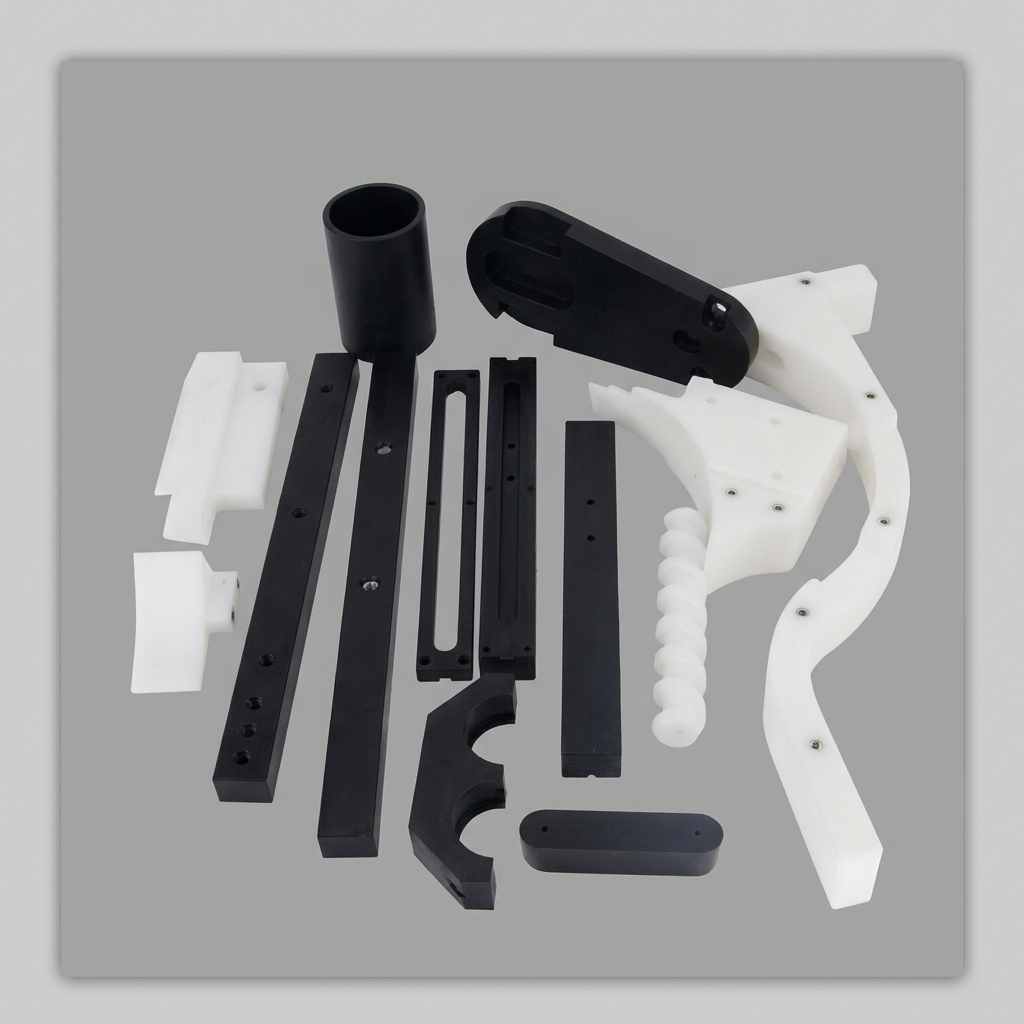
- Material grades: POM-H for maximum stiffness and fatigue life; POM-C for hot water and chemical exposure; glass-filled POM for higher stiffness and lower thermal expansion; conductive and anti-static POM for ESD-sensitive handling; food-grade POM for contact applications.
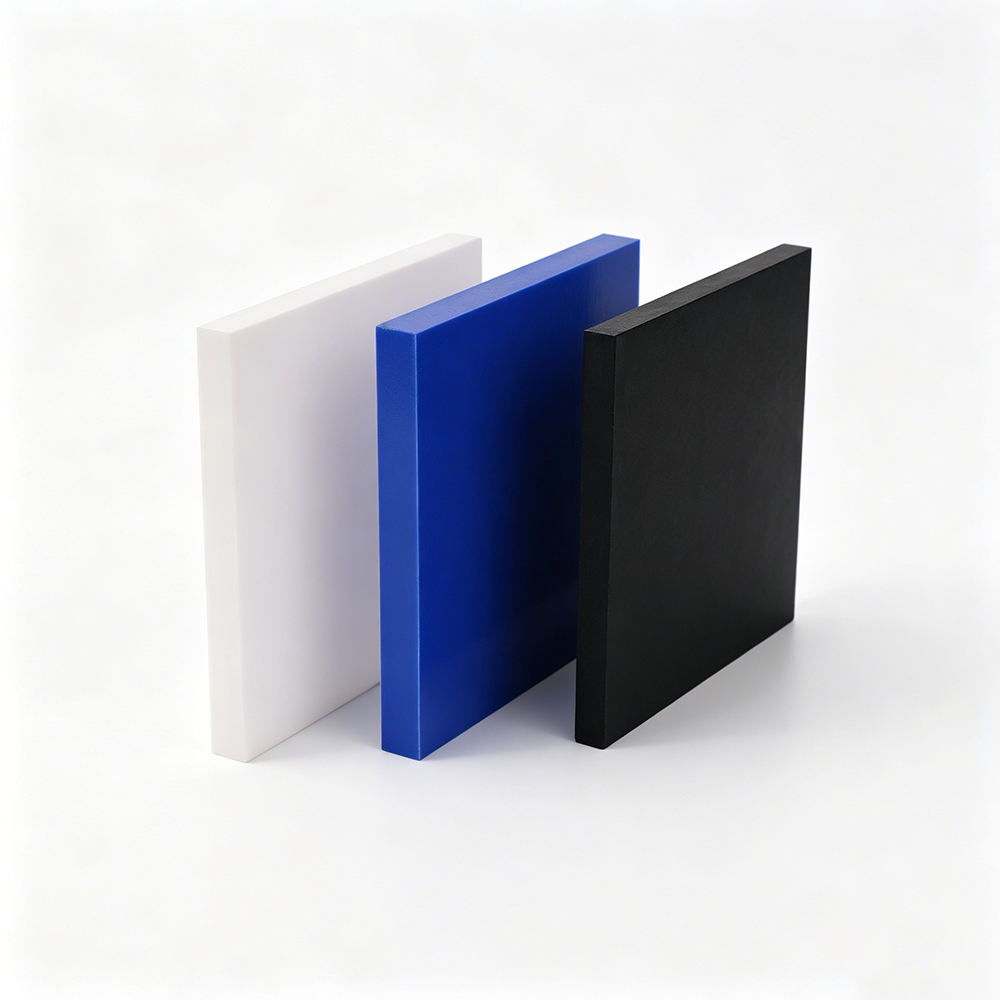
- Colours: natural white, black, blue, green, yellow, red and custom colour matching for assembly identification or brand finish.
- Branding: laser-marked part numbers, LOGO engraving, custom packaging and custom pattern options available from low minimum order quantities.
- Service model: OEM and ODM. Free design-for-manufacture review — we flag features that would be cheaper to machine differently before you commit to tooling.
OEM and ODM Machining
Most of the POM machining we do is OEM or ODM work for equipment builders, distributors and brands that sell under their own name. The part number, the drawing and the packaging carry your identity, not ours.
| OEM | ODM | |
|---|---|---|
| Who designs the part | You send the drawing or the sample | We design it with you from the function |
| What we need | 2D drawing (PDF/DWG/DXF) or 3D model (STEP/IGES/X_T) | A description of the load, motion, environment and interfaces |
| What you receive | Quoted part, first article, production parts | Design proposal, drawing for approval, then parts |
| Tooling | None for machined parts | None for machined parts; a tool is only quoted if moulding is cheaper |
| MOQ | 100 pcs per part number | 100 pcs per part number |
| Samples | 7 days typical | 10-14 days including design review |
| Production | 15-20 working days | 15-25 working days after drawing approval |
| Branding | Part number, your logo, your packaging | Same, plus your artwork and labels |
What to send for a quote: the drawing or sample, material grade if you have a preference, quantity per year, surface finish and colour, and any certification or documentation the part needs to ship with. If your drawing is incomplete we will mark up what is missing rather than guess. NDA and exclusivity terms can be signed before drawings are exchanged — we do not quote one customer’s design to another.
Files we accept: PDF, DWG, DXF, STEP, IGES, X_T, or a physical sample. Quotes are returned with material recommendation, tolerance review, lead time and price break at 100 / 500 / 1,000 pcs.
Applications
POM machined parts appear wherever a metal part is too heavy, too noisy, or needs lubrication the process cannot tolerate.
- Automotive — window and seat mechanism components, fuel-system clips, door-lock parts, sensor housings, wear pads.
- Electronics and electrical — insulating spacers, coil formers, terminal supports, fixture blocks for test and assembly lines.
- Industrial equipment — gears, racks, pulleys, guide rails, cam followers, chain guides, star wheels, conveyor wear strips.
- Pumps, valves and fluid handling — bushings, impeller wear rings, valve seats, tube and fitting components for water, fuel and air lines.
- Precision instruments — dial components, slide blocks, optical mounts, low-friction linkages.
- Consumer and daily goods — hinges, latches, rollers, structural inserts where a maintenance-free plastic part outlasts plated metal.
Why POM Instead of Metal or Another Plastic
| Compared with | POM advantage | Watch out for |
|---|---|---|
| Bronze / brass bushings | No lubrication, lower weight, quieter running, lower cost at volume | Lower absolute load capacity; limit PV to roughly 0.1 MPa·m/s dry |
| Zinc / aluminium die castings | No tooling cost for low volume, better chemical resistance, no corrosion | Not suitable above ~110 °C continuous |
| Nylon (PA6 / PA66) | Far better dimensional stability, higher stiffness, lower moisture pickup | Lower impact toughness than conditioned nylon |
| UHMWPE | Higher strength and stiffness, better machinability, holds tolerances | Higher friction coefficient than UHMWPE in dry sliding |
| PEEK | Much lower cost, easier to machine, adequate for most mechanical duties | Lower temperature ceiling (~110 °C vs 250 °C) |
Quality Assurance
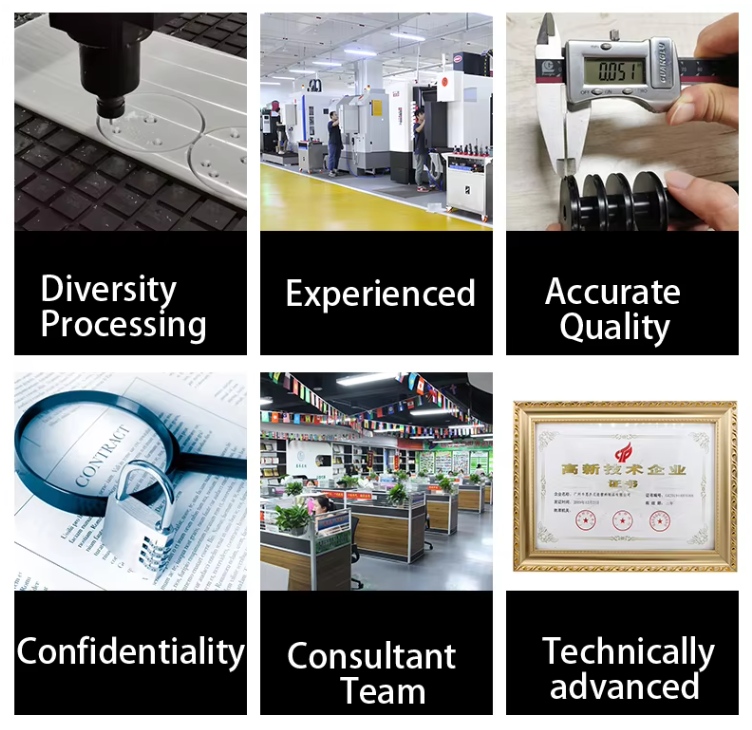
ORRO manufactures under an ISO 9001 quality management system and supplies RoHS-compliant material. Incoming POM stock is checked against mill certificates; first-article inspection (FAI) reports are issued for new parts before mass production; and in-process inspection follows a control plan that defines the gauges and sampling frequency for each critical feature.
Final inspection verifies dimensions with calibrated micrometers, bore gauges, pin gauges, height gauges and CMM where the drawing calls for it. Parts can be shipped with material certificates, dimensional reports and batch traceability. For regulated supply chains we support PPAP-style documentation and sample approval before release.
Ordering Information
- Send the drawing (PDF/DWG/STEP) or a sample photo with key dimensions.
- Tell us the working environment: temperature, contact chemicals, load, cycle rate.
- We confirm material grade, tolerance feasibility and any cost-saving design changes.
- Quote within one working day, with sample lead time and production lead time stated separately.
Typical lead time is 5–15 days for stocked material and 15–30 days for production runs, depending on quantity and finishing.
Frequently Asked Questions
Is Delrin the same as POM or acetal?
Delrin is a brand name for POM-H, the homopolymer. Acetal is the family name and covers both the homopolymer (POM-H) and the copolymer (POM-C). A drawing that says “Delrin” is really specifying homopolymer properties — higher strength and fatigue life, slightly lower resistance to hot water and chlorine — and that is the grade we machine unless you ask for copolymer. If your drawing cites a specific Delrin number, send it and we will confirm whether we hold the equivalent or which property moves.
Can you machine parts from my 3D model instead of a drawing?
Yes. STEP, IGES, X_T and STL files are all accepted, along with 2D PDF or DWG drawings. If the model and drawing disagree, we ask before cutting rather than choosing for you.
What is your minimum order quantity?
100 pieces per part number for prototypes and spares. Custom colour, LOGO and packaging are available at that quantity, so a trial order does not need to be a full production run.
Can POM parts be used outdoors?
POM resists moisture and most chemicals but degrades under prolonged UV exposure. For outdoor applications we recommend a UV-stabilised grade or a black colour, and we will say so in the quote.
How do you handle tolerances tighter than ±0.01 mm?
For features where ±0.01 mm is not realistic — very thin walls, long unsupported bores, sharp internal corners — we propose an alternative geometry or a secondary operation. Every drawing is reviewed for manufacturability before quoting.
Do you supply the mating metal parts and assemblies too?
Yes. Inserts, bearings, shafts and fasteners can be sourced and assembled into a finished sub-assembly, so you receive one part number instead of a kit of components.
Are the parts food-safe?
Food-grade POM grades are available and are supplied with the corresponding material declaration. Tell us at enquiry stage; the grade change affects lead time, not tooling.
Related Products
- POM Automation Gear — machined gears and racks for motion systems
- POM Track Roller — guide and V-groove rollers
- POM Bearing Sleeve — plain bearing and bushing components
- POM vs nylon vs UHMWPE — how to tell when acetal is the wrong choice for a wear part
- POM Sheet (Acetal Plate) — stock plate for your own machining
- POM material guide — grades, properties and selection advice
Send your drawing for a same-day quote. Provide the file, quantity and working conditions, and our engineering team will reply with material recommendation, tolerance review and lead time.