An insulator has one job — keep current where it belongs — but it fails in more ways than a conductor does: it can track, it can break down at temperature, and it can crack under thermal cycling. The material has to be chosen for the electrical duty and the environment at the same time.
This page compares the materials we machine insulators, standoffs and insulating plates from. Each material links to its page; where a specific part is published in that material, the link goes straight to it.
The four questions that pick the material
- Voltage and tracking. Higher voltage needs more creepage distance and a material that resists surface tracking when contaminated.
- Temperature. PVC is fine at room temperature and useless in a reflow oven; PEEK and ceramic are the opposite.
- Environment. Moisture, chemicals and UV degrade some polymers’ dielectric strength badly.
- Mechanical duty. Ceramic is stiff and brittle; FRP is stiff and tough; PEEK is stiff and machinable.
Which material for which insulator
| Material | Best for | Watch out | Machined part |
|---|---|---|---|
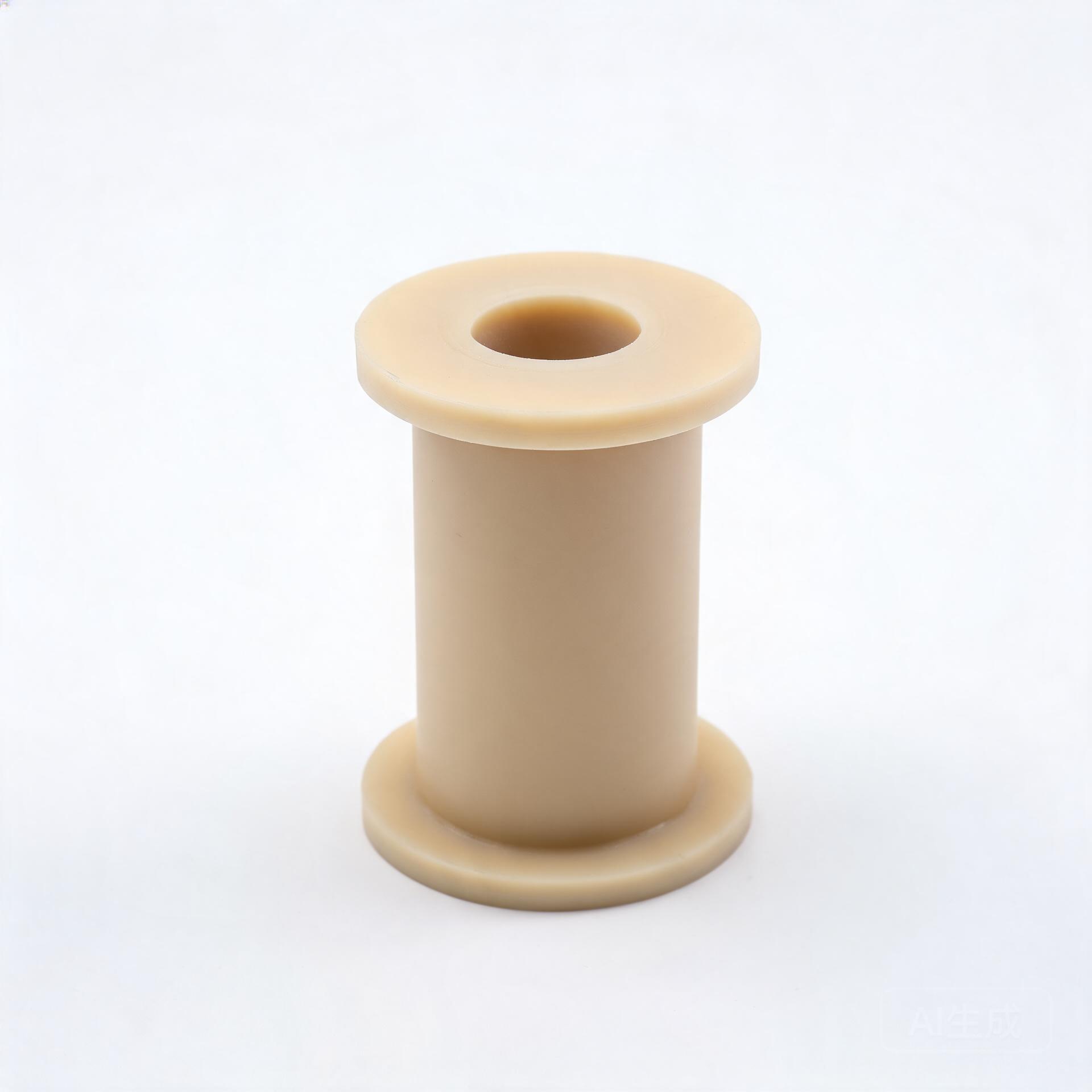
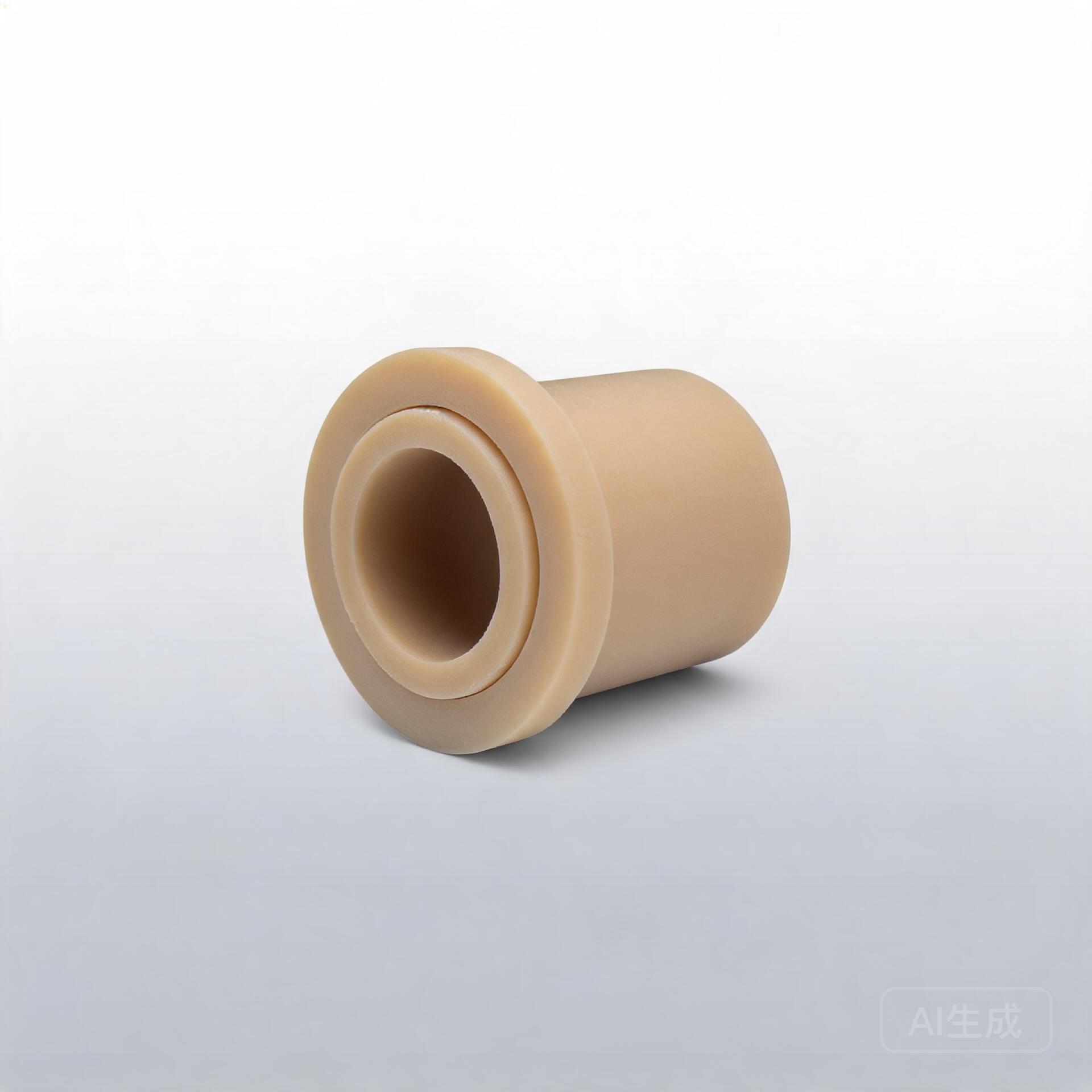
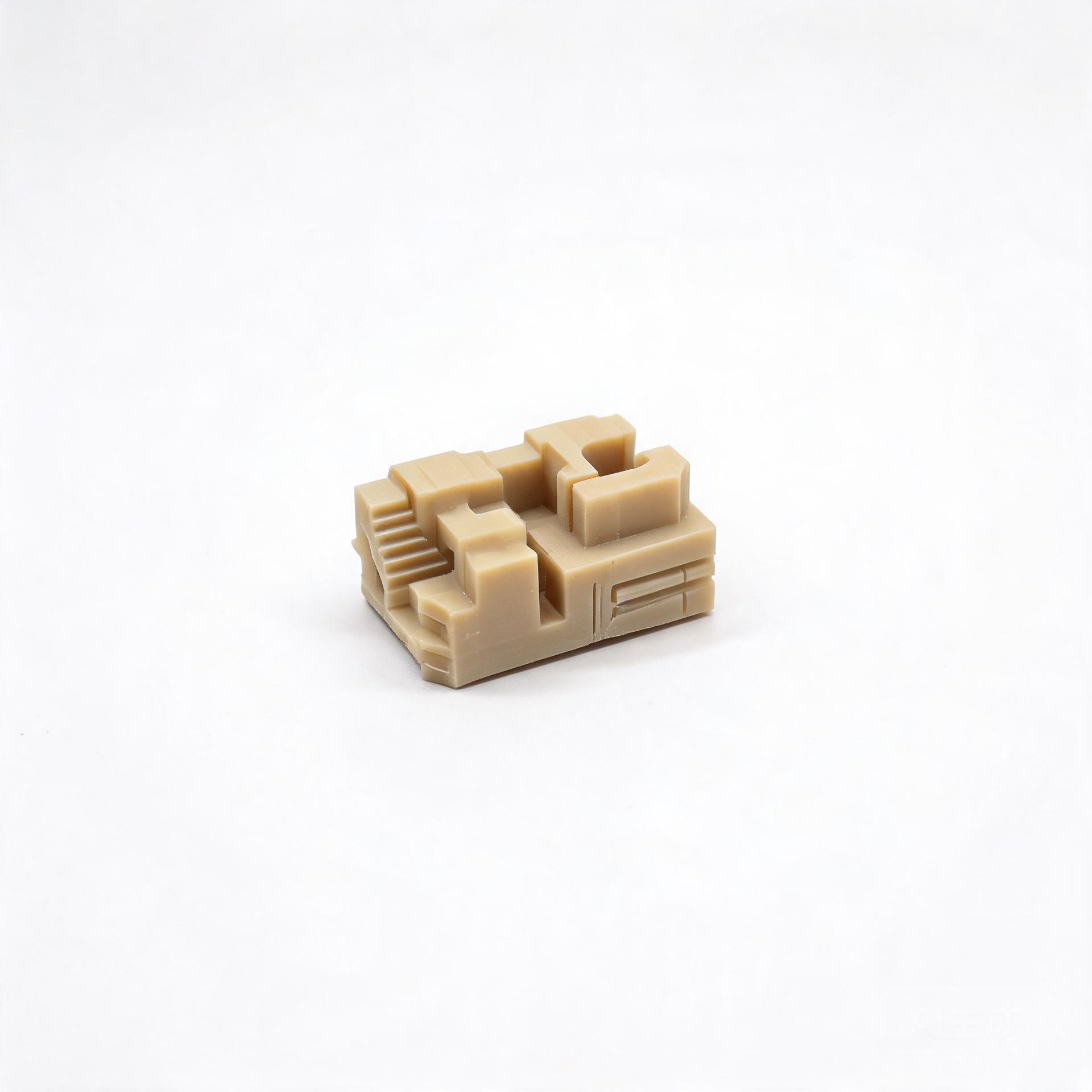
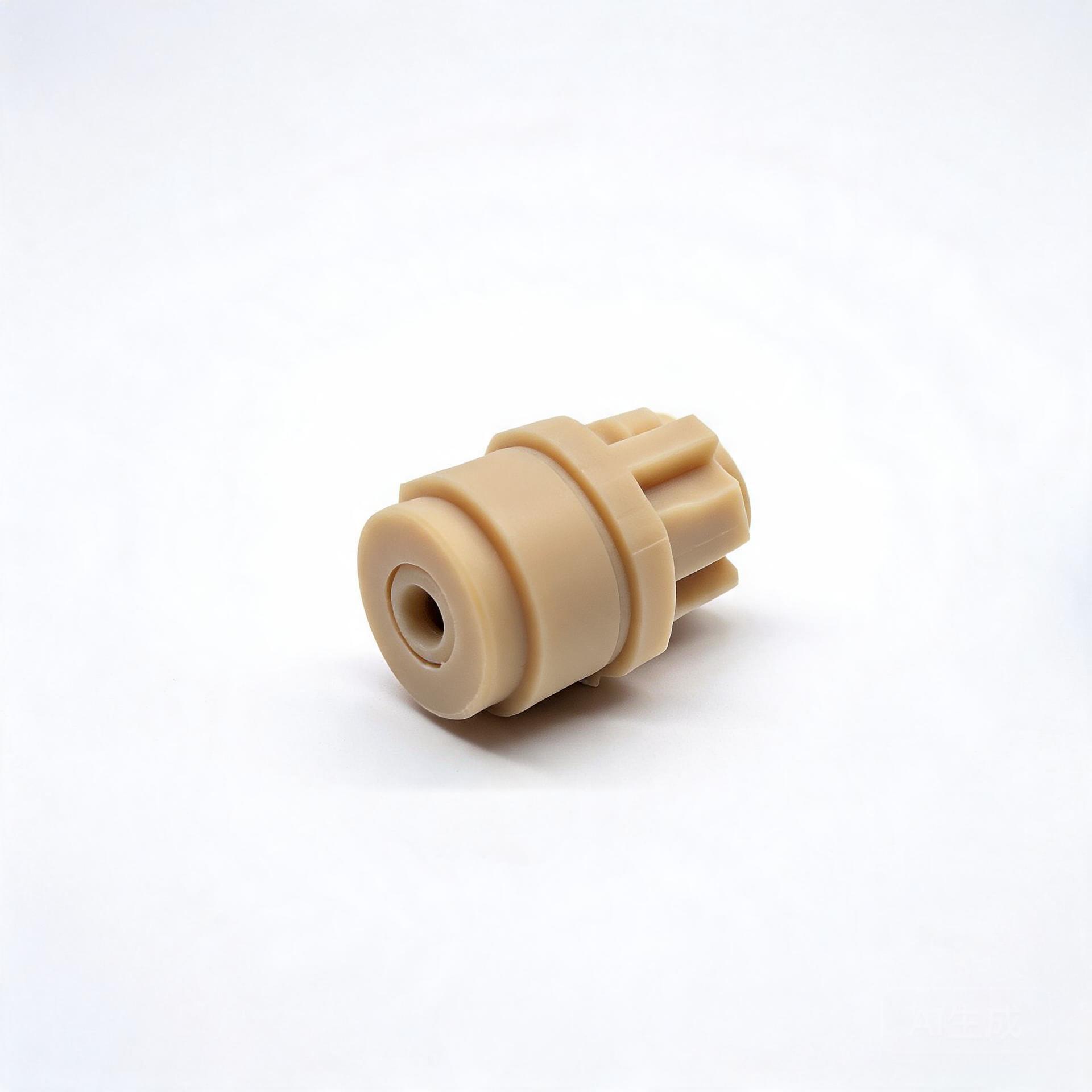
| PEEK | Semiconductor, medical and high-temperature insulators; excellent dielectric strength and purity. | Cost; specify the grade for the duty. | PEEK Insulator, Semiconductor Insulator, PEEK Insulating Bushing |
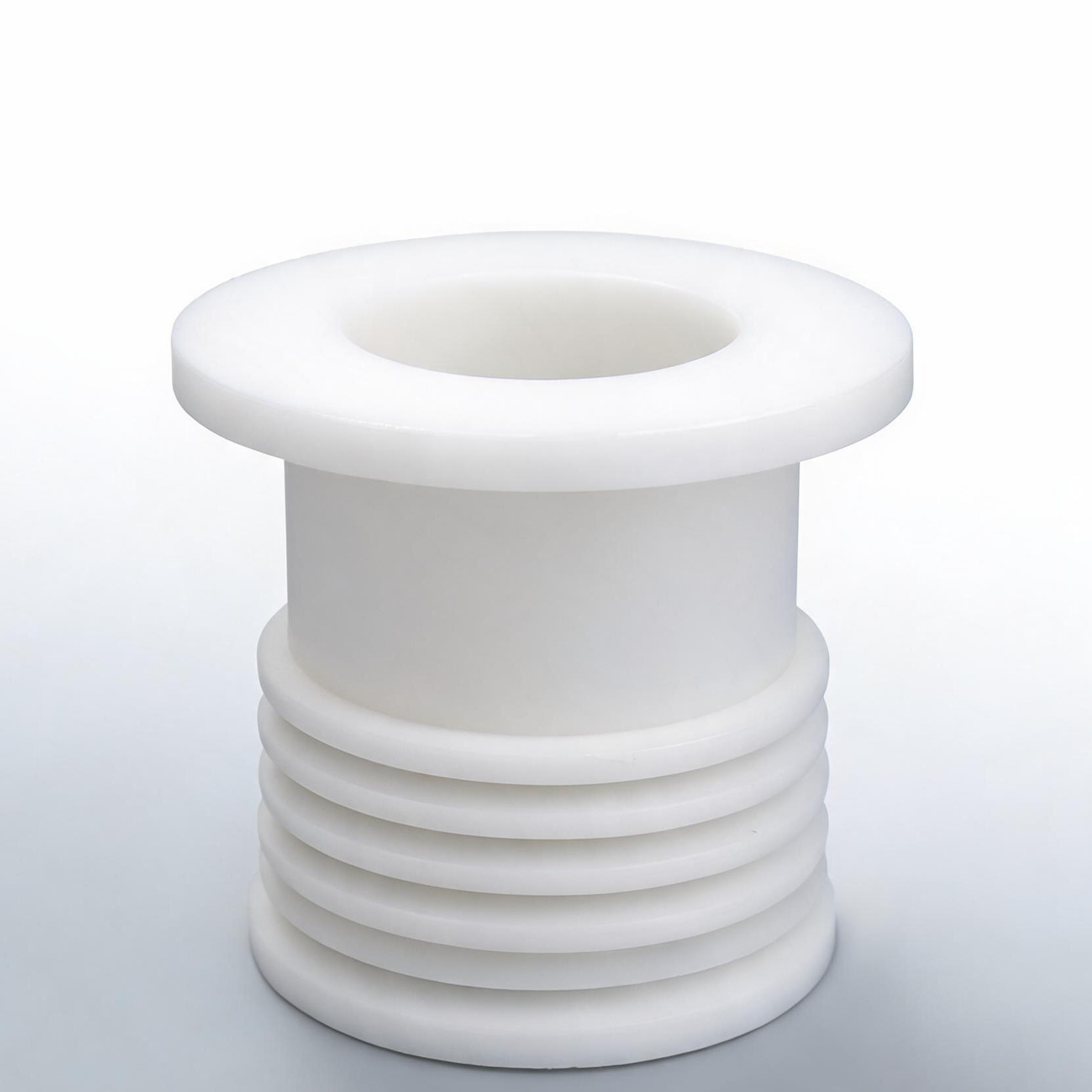
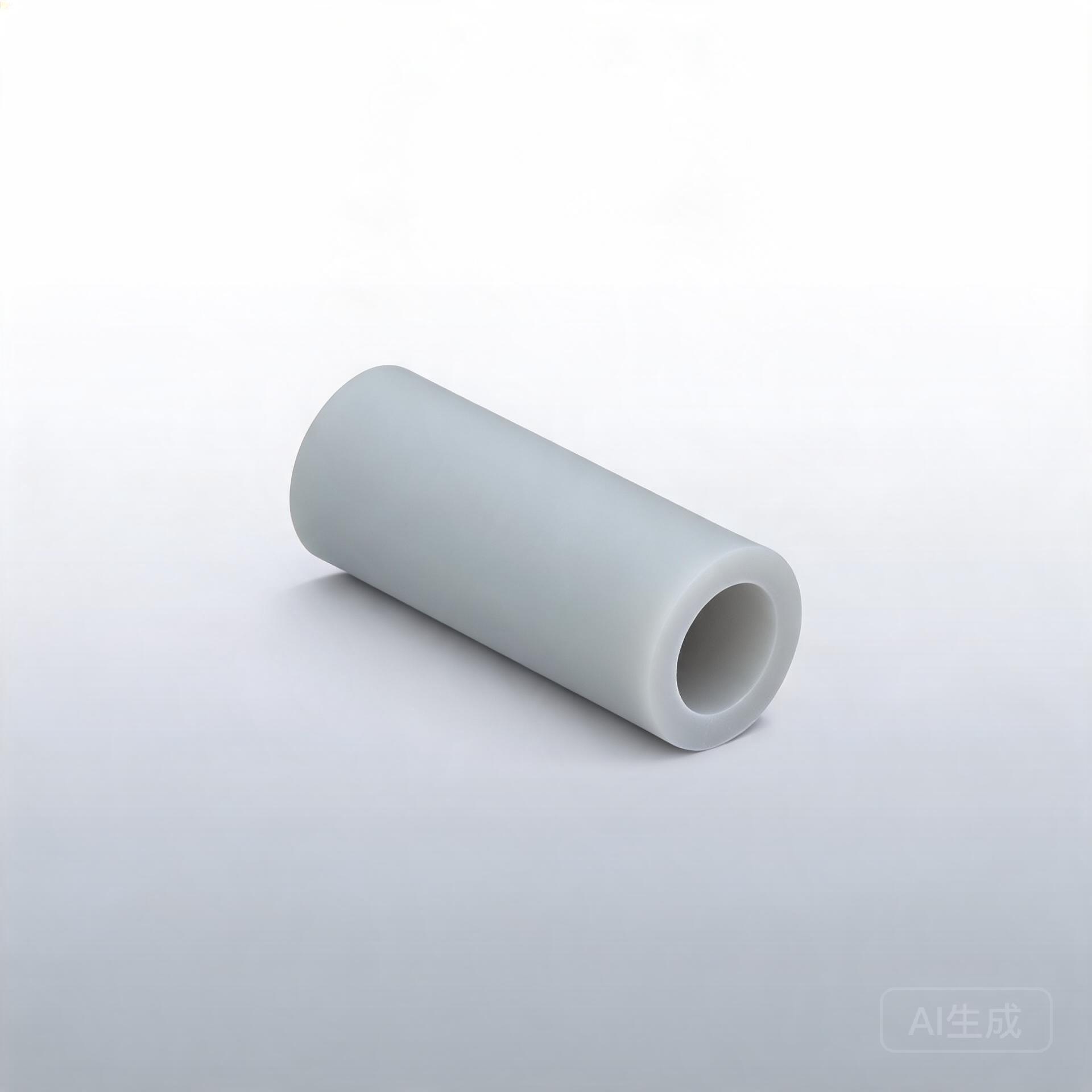
| PVC (incl. CPVC) | General low-voltage sleeves, ducts and covers; cheap and self-extinguishing. | Limited temperature and mechanical load; not for hot steam. | PVC Insulating Sleeve |
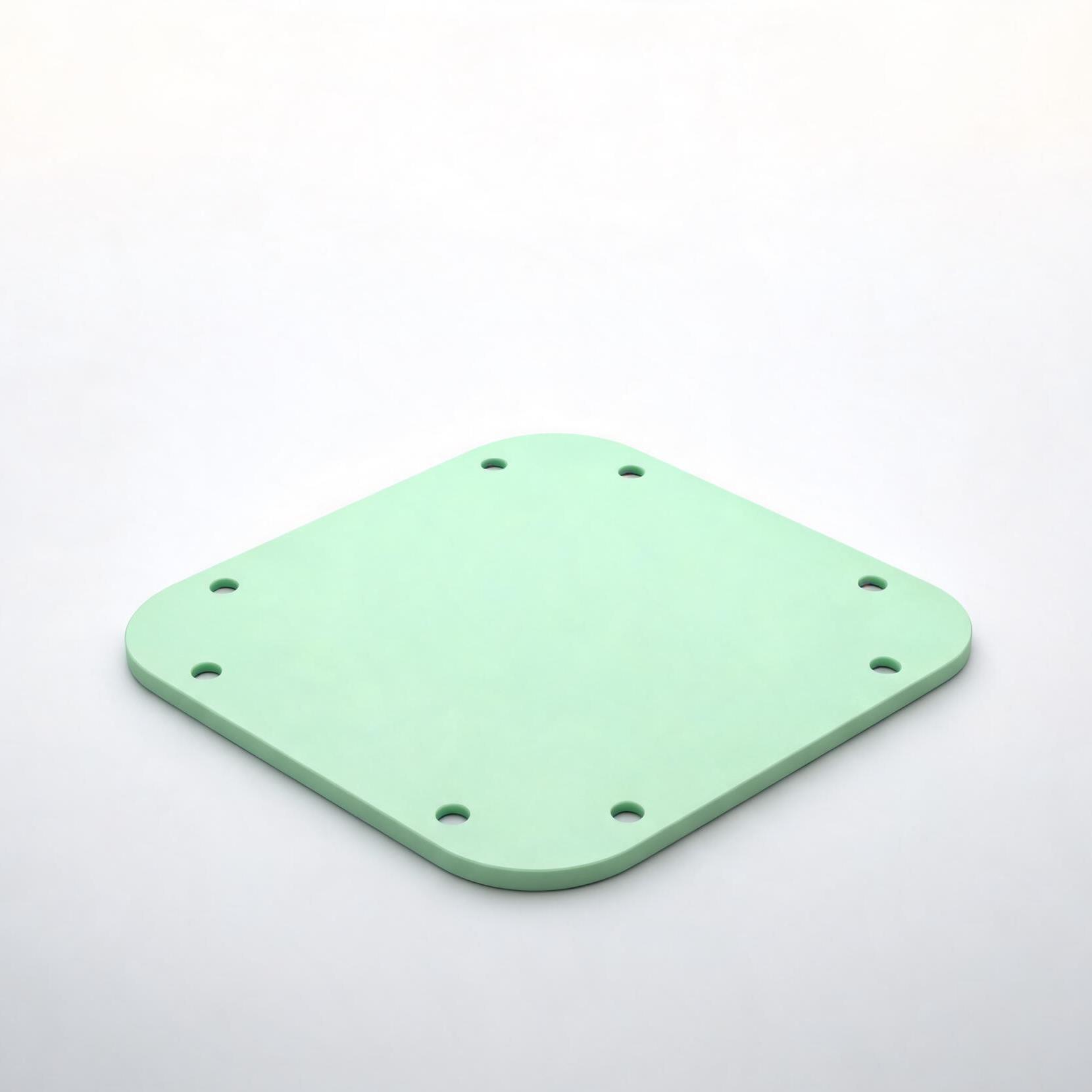
| FRP / G10 | Stiff, tough insulating plates, spacers and mounting boards. | Lower stiffness than CFRP; resin choice drives chemical resistance. | FRP Insulating Plate |
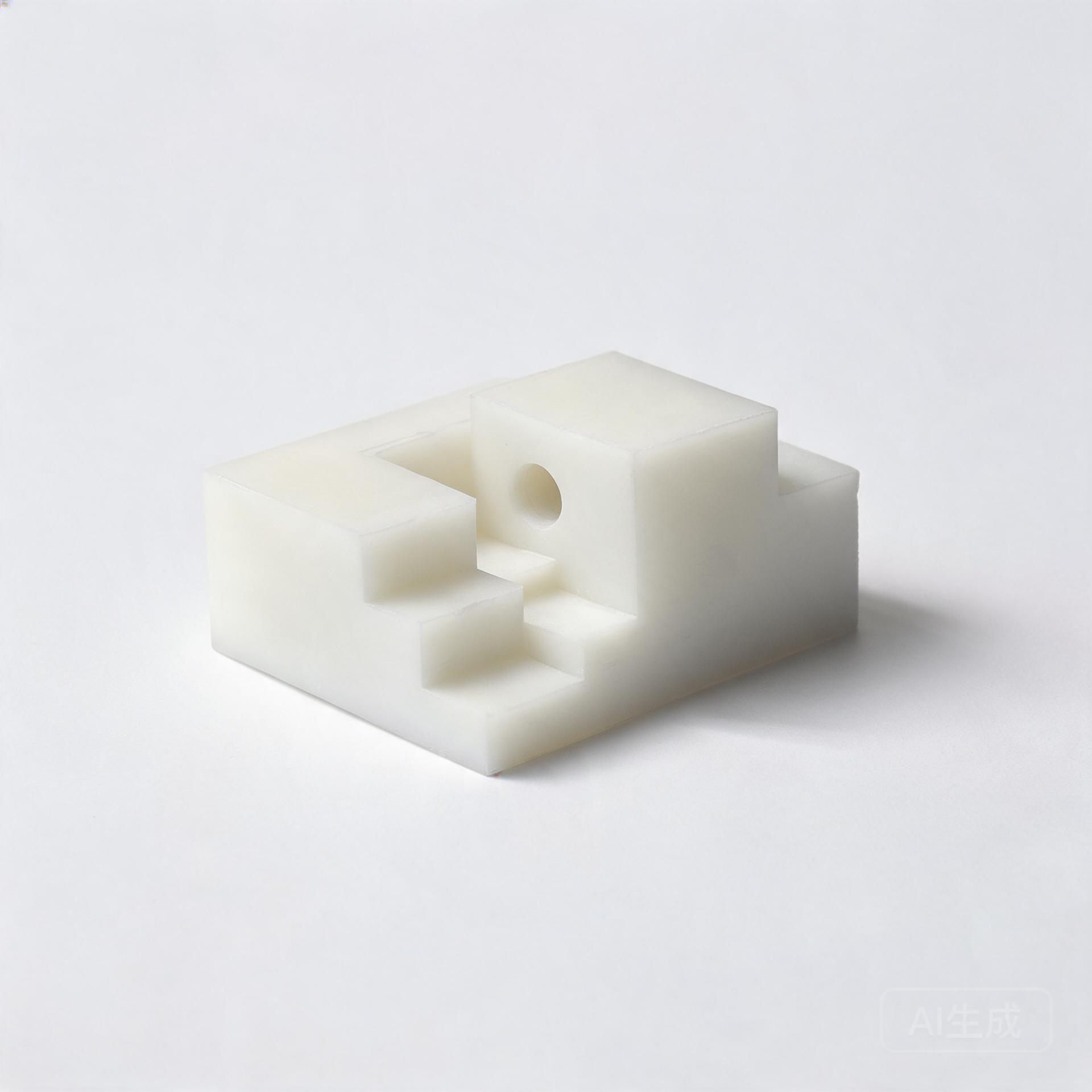
| Ceramics (alumina, zirconia) | High temperature and high voltage where nothing else survives. | Brittle in tension; shrinkage must be allowed for; grind only functional faces. | Alumina Insulator |
| Graphite | High-temperature fixtures — but it is a conductor; use it as an electrode, not an insulator. | Electrically conductive; brittle. | Graphite Electrode Ring |
| Carbon fibre (CFRP) | Conductive structural parts, not insulators. | Galvanic corrosion against metals; it conducts. | Carbon Fibre Bracket |
Design notes that prevent breakdown
- Creepage, not just clearance. The surface path between conductors matters as much as the air gap; ribs and shrouds lengthen it.
- Give ceramic room for thermal shock. It fails in tension, so avoid sharp shoulders and clamp loads.
- Allow for FRP resin chemistry. The same glass cloth is strong with epoxy and weak with the wrong resin in a solvent.
- Do not assume a plastic’s dielectric strength holds at temperature. It falls with heat, and moisture changes it too.
- Confirm the grade. Semiconductor and medical duty often needs a specific grade and a material certificate — state it on the enquiry.
The temperature and chemical comparison behind this table is in the material selection guide, and each material page carries its full ten-section guide.
Send the drawing with the voltage, the temperature and the environment, and we will recommend the material and the creepage. Request a quote.
Related
- Ceramic nozzles — alumina and zirconia flow parts, where the same dielectric strength is used in a wearing part
- Flanged ceramic nozzle inserts — the press-fit insert form, with the fits and tolerances it needs
- Zirconia ceramic nozzles — where impact toughness matters more than hardness